Area: Other Areas

What is Philosophy?

Introduction to Philosophy/Making Arguments Materials: True/False handout for each student (see “Handout” below for specifics) Two signs, “True” and “False,” placed on opposite sides of the room At the start of class, ask students what they know about philosophy already. Call on a few students. If students need prompting, ask “Do you know any philosophers? What is Philosophy?

Identity & Essence Lego Activity

Legos stuck on to Child's face

Materials Needed: Legos (the more the better) Something on which to display/write out class thoughts (chalkboard, whiteboard, SMARTboard) Camera (optional) Preparation: Have Legos divided up according to how groups will be organized, e.g. in separate piles or in one large pile. Description: 1. (Optional) Warm up and get a sense of our intuitions about the Identity & Essence Lego Activity

Exploring Existential Angst and The Self in Social Media

Existentialism of Jean-Paul Sartre in Nausea Students will be introduced to Existentialism through discussion and excerpts from Jean-Paul Sartre’s novel, Nausea, which describes a certain vague feeling that the main character, Roquentin, calls “nausea”. This feeling is basically a result of suspecting that there is a reality behind what we perceive as reality, an objective Exploring Existential Angst and The Self in Social Media

In-Class Ethics Bowl

Materials needed: Prior to Bowl: A useful general description of ethics designed for High School Ethics Bowls – to use as supplement to in-class teaching (see Supplemental Materials below) Copies of cases (given to students to prepare) from the National High School Ethics Bowl archives (sample case provided below) For Bowl: Scoring criteria (available on In-Class Ethics Bowl

Stereotyping

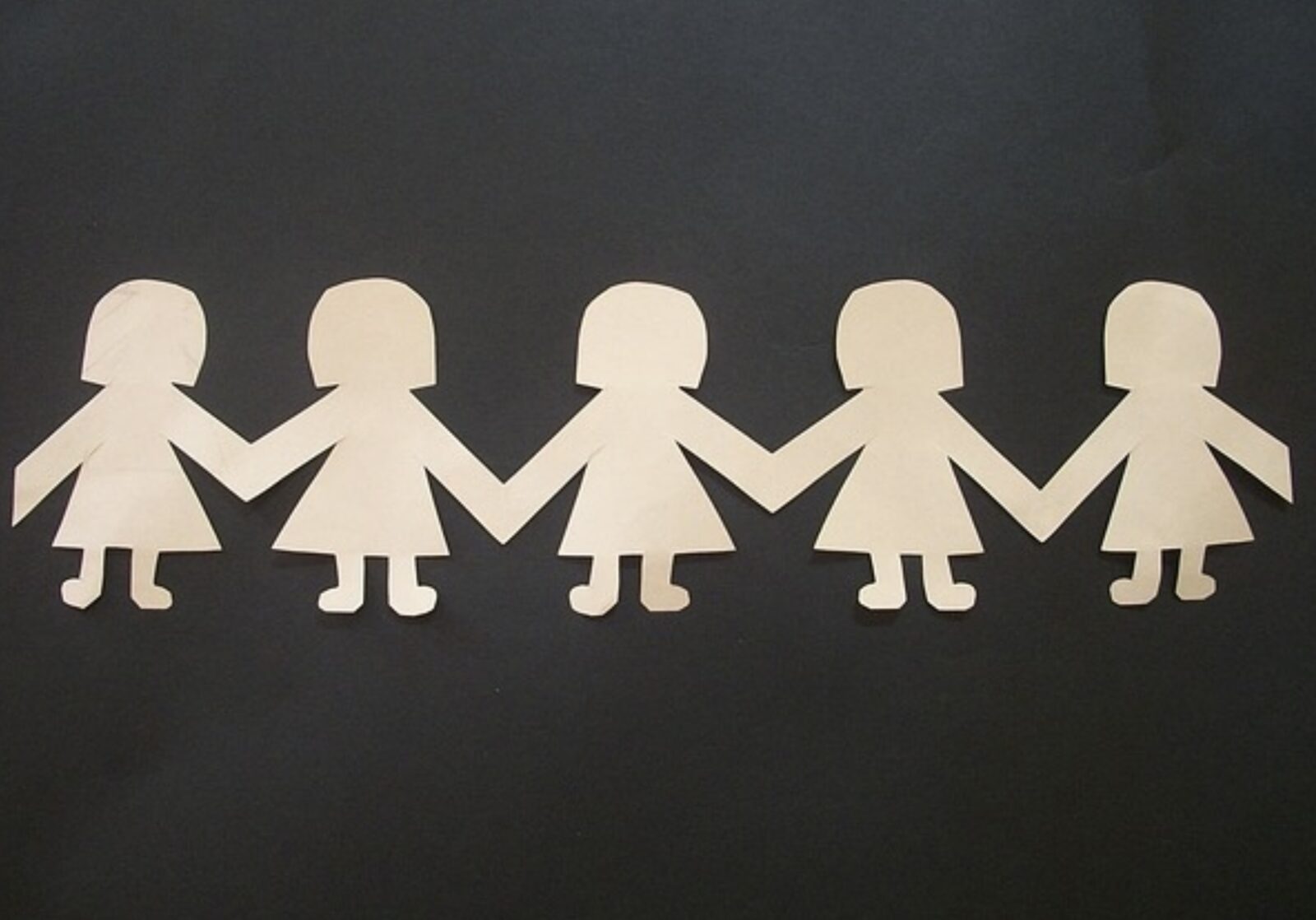
row of 5 paper dolls

Materials needed Plenty of paper Several sets of 5 different colored pencils or markers Timer Warm-Up Activity: Ask your students to think about how they define a stereotype. Work in small groups to come up with a basic definition. Have your students write this definition down. After small group discussion, write each group’s definition on Stereotyping

Fair or Equal?

Materials needed List of roles and responsibilities (see below) A bag of candy   Description Begin the exercise by holding up the bag of candy (make sure you have enough for at least one piece for every student) and ask, “What’s the fair way to distribute the candy in this bag? Who all should get Fair or Equal?

Activity: Keep the Question Going

""

This game involves students generating questions collaboratively. The exercise runs easily for about ten minutes and can go for a half hour or more with discussion. It is often a good exercise to use early in the year, as it helps students listen to each other and gets them thinking about what makes a question Activity: Keep the Question Going

The Painter and Their Eyes Activity

Materials: A blackboard or whiteboard to draw on, blank pieces of paper for students to draw on, crayons or colored pencils if possible. Description: Frame this exercise by making the point that there are two key skills we want to develop when we do philosophy. These are, first, the ability to communicate clearly and second, The Painter and Their Eyes Activity