Topic: ethics

Wants versus Needs Exercise
""

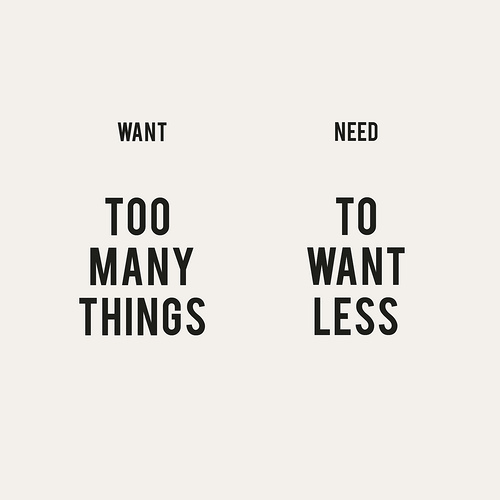
Step One: Distinguishing Wants and Needs  Give the students a worksheet with the following questions: 1. What are some things you want? 2. What are some things you need? 3. What is the difference between what you want and what you need? 4. Do all people have the same wants? 5. Do all people have Wants versus Needs Exercise

Shallow Pond and Charity

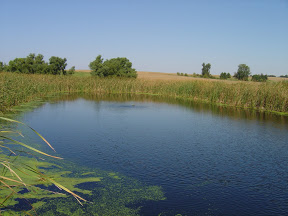
Photograph of a blue pond in a field of grass

Materials needed: Piece of paper, writing utensil Description: First ask the students what makes an action “good” and what makes an action “wrong.” Create a list on the board. Some things often brought up for good actions are that they are directed at helping others, are beneficial in some way, and aren’t against the law. For Shallow Pond and Charity

The Ethics of Self-driving Cars

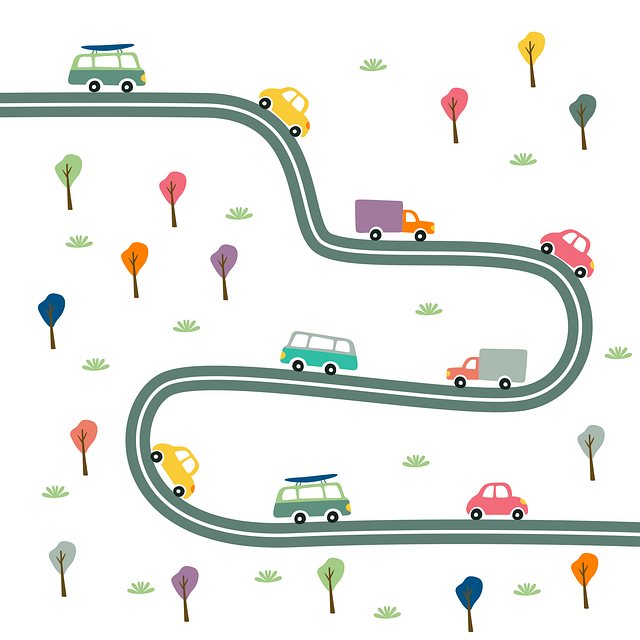
simple drawing of cars and trucks on windy road

Self-driving cars are already cruising the streets today. And while these cars will ultimately be safer and cleaner than their manual counterparts, they can’t completely avoid accidents altogether. How should the car be programmed if it encounters an unavoidable accident? Patrick Lin navigates the murky ethics of self-driving cars. Patrick Lin navigates the murky ethics The Ethics of Self-driving Cars

Implicit Bias

Background content: Ideally students would have read some background content on implicit bias coming in to the conversation. One possibility is Kelly and Roedder’s 2008 paper “Racial Cognition and the Ethics of Implicit Bias.” (Only provide the first half, as it gives some background on implicit bias and empirical evidence supporting its existence.) Another possibility is just to have Implicit Bias

Crash: An Ethical Obstacle Course

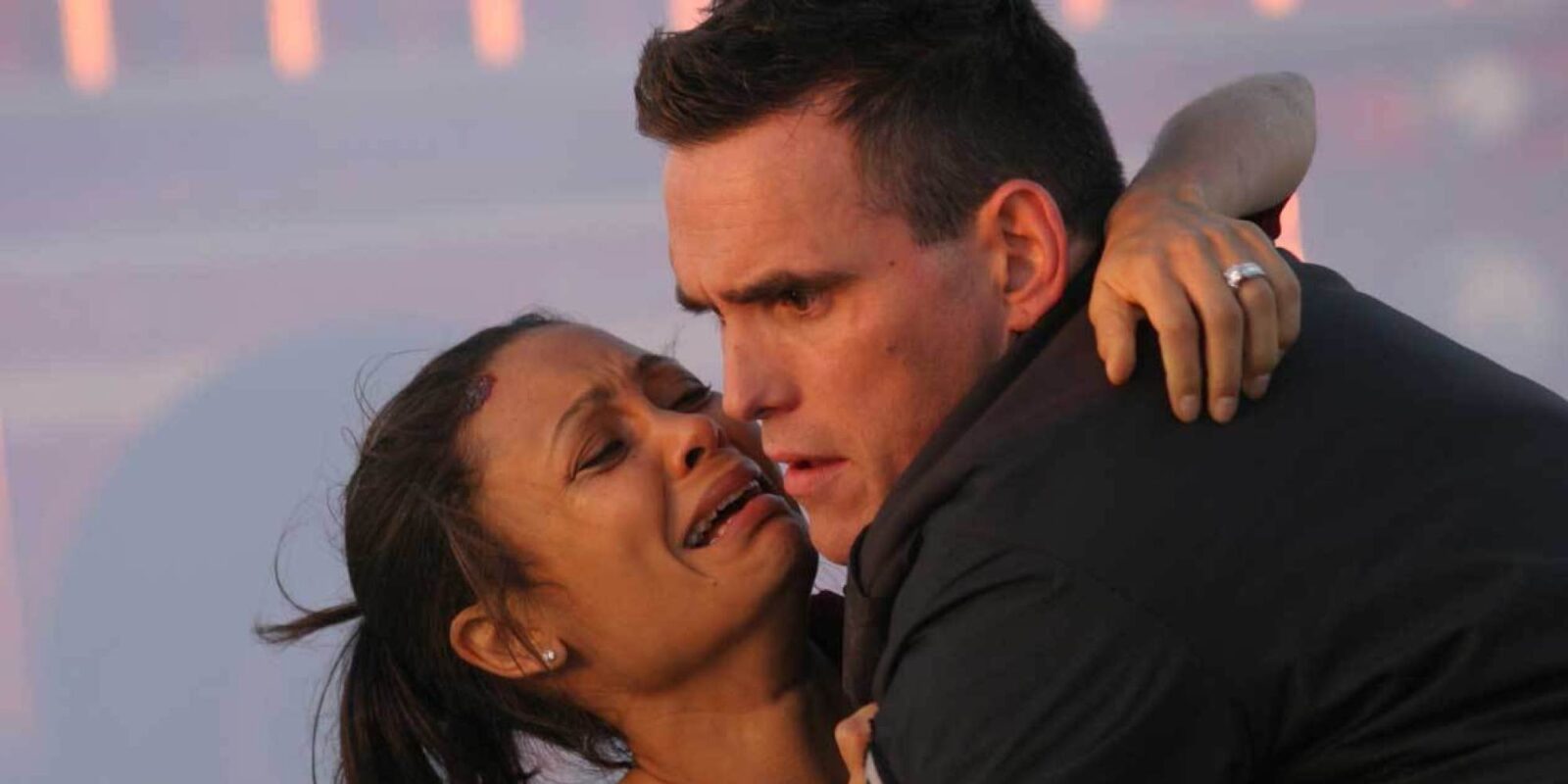
Crash, directed by Paul Haggis, weaves together the lives of several characters from multiple backgrounds who collide in the busy, often chaotic city of Los Angeles.  The movie revolves around a dozen or so characters from various ethnic, racial, and cultural background whose lives entwine and entangle, often with unpleasant consequences.  In the film, racism and Crash: An Ethical Obstacle Course

Silent Discussion on Ethical Dilemmas

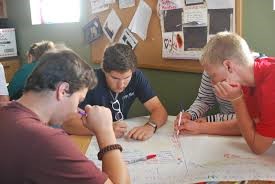
Photograph of a group of young students writing on a large sheet of paper during a "Silent Discussion on Ethical Dilemmas" class

Materials Needed: Several very large sheets of butcher paper (especially with younger students, writing is big and fills up the paper quickly). A few good ethical dilemmas (I list my favorites below). Various colored markers/pens for each student. Preparation: Write or glue one ethical dilemma onto each sheet of butcher paper. Arrange desks/tables into several Silent Discussion on Ethical Dilemmas

Macklemore’s White Privilege II

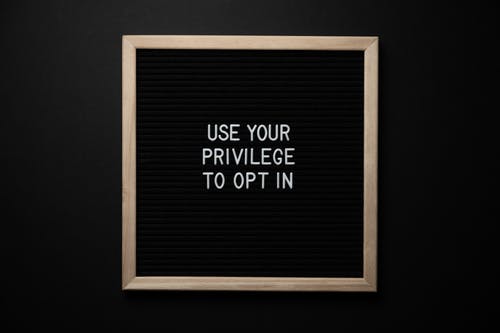
sign reads: Use your privilege to opt in.

Seattle hip hop rapper Macklemore (aka Ben Haggerty) is one of the few widely-known rappers that is white. In his song “White Privilege” (2005), Macklemore sings about his experience as a white rapper, and how being white was advantageous in the music industry. In 2016, Macklemore collaborates with Chicago singer Jamila Woods to release the Macklemore’s White Privilege II

In-Class Ethics Bowl

Materials needed: Prior to Bowl: A useful general description of ethics designed for High School Ethics Bowls – to use as supplement to in-class teaching (see Supplemental Materials below) Copies of cases (given to students to prepare) from the National High School Ethics Bowl archives (sample case provided below) For Bowl: Scoring criteria (available on In-Class Ethics Bowl