Area: Other Areas

Can there be Courage in a World without Vulnerability?

Woman leaping over cravass at sunset

This lesson explores the definitions of courage and the definition of a lesser discussed word: vulnerability. Through a series of questions the lesson is geared to get students thinking about a possible connection that exists between vulnerability and courage. It challenges the stigma often associated with vulnerability in society, while encouraging students to embrace taking risks and leaning Can there be Courage in a World without Vulnerability?

Me and You

Ripples in water reflecting sky

Start off the activity by talking to the students about relationships. Questions: Who here has someone they’re close with? (whether that be a friend or family member) Are there any other people you have a close relationship with? Why do you think you’re close to them? What is a relationship? After introducing the idea of Me and You

Where are you?

Signpost in country side

Warm Up Activity: Where do you live? Ask students the following questions: What street do you live on? What town do you live in? What state do you live in? What country do you live in? What do you live near? What is around you? Reflect on this activity by reminding them that there are Where are you?

What Kind of Question is This?

hand pointing at writing on chalkboard "What where when why how who"

This lesson works well for early elementary school students (kindergarten-3rd grade) and can be used either in a classroom or online. This is a helpful activity to do with elementary aged students to help differentiate between philosophical and other kinds of questions. This helps build their skills of identifying and asking philosophical questions during philosophy What Kind of Question is This?

Who is the Teacher?

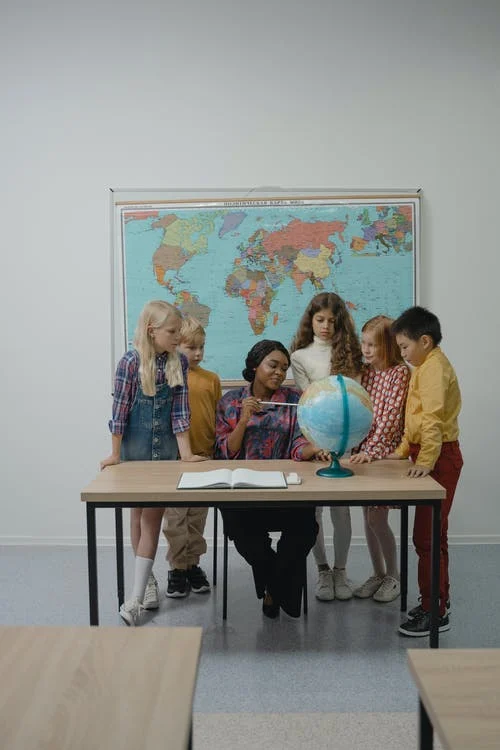
teaching point to globe surround by students

Who is the Teacher?  Topics: Questions, children, philosophical skills, epistemic justice Grade Level: Elementary, Middle School Time: 30 Minutes Objectives: This activity is helpful to do in the early months of working with a new community of philosophical inquiry. It is designed to help students think about both what it means to be a teacher Who is the Teacher?

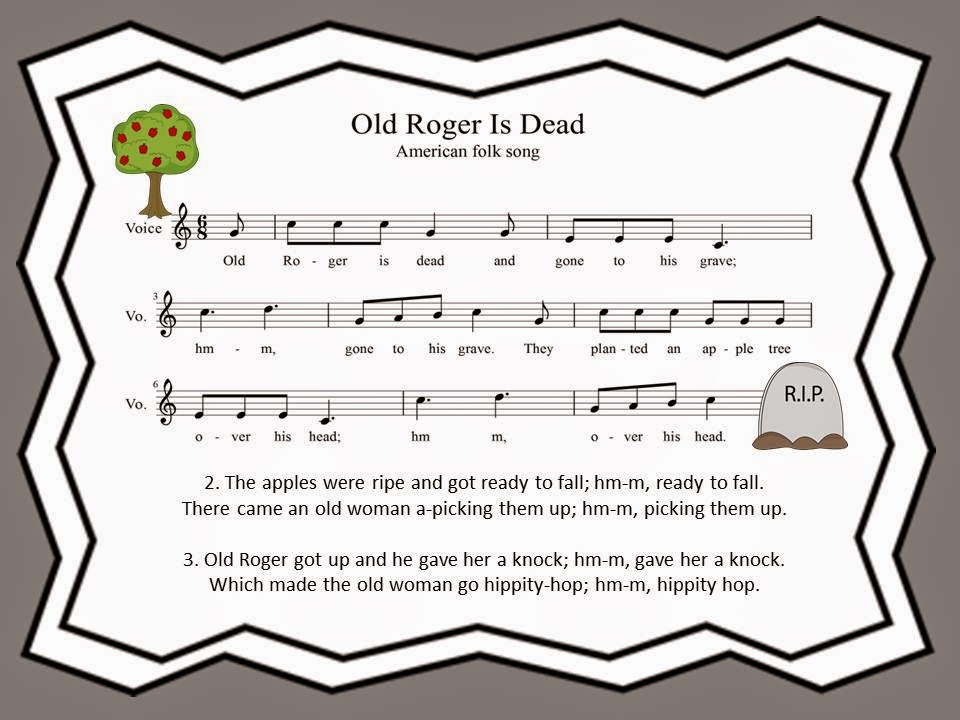
“Old Roger is Dead”

Whole Sequence Breakdown: Welcome and warm-up (c. 5-10 minutes) Brief initial discussion (10 minutes) Learning of the song and ring play (20 minutes) Whole-group share and discussion (20 minutes) Possible extensions (for extra time, or additional lessons) Welcome and Warm-up Welcome students and share any updates, or follow-up on points from the last session. Warm-up “Old Roger is Dead”

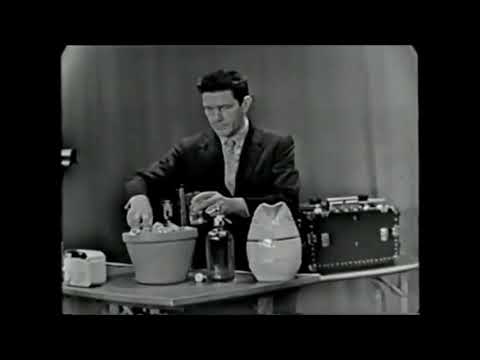
Water Walk by John Cage

Water Walk by John Cage Whole Sequence Breakdown: Welcome and warm-up (c. 5-10 minutes) Brief introduction to John cage and Water Walk  (5 minutes) Viewing to Water Walk (without giving away the “secret”) (5 minutes) Small group discussions (c. 10-15 minutes) Whole-group share and discussion (20 minutes) Possible extensions (for extra time, or additional lessons) Water Walk by John Cage

“I wish I Knew How It Would Feel to Be Free” by Nina Simone

Whole Sequence Breakdown: Welcome and warm-up (c. 5-10 minutes) Brief introduction to Nina Simone and the song (5 minutes) Listening to “I Wish I Knew (How It Would Feel to Be Free)” with Lyrics (5 minutes) Small group discussions (c. 10-15 minutes) Whole-group share and discussion (20 minutes) Possible extensions (for extra time, or additional “I wish I Knew How It Would Feel to Be Free” by Nina Simone

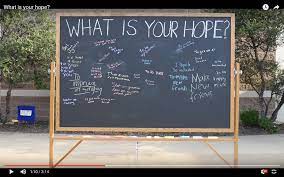
What is Your Hope?

This lesson can be used either in a classroom or online. Description: A Missouri middle school put the question “What is your hope?” on a chalkboard outside school before people arrived. They made a video of the ways students and teachers responded to the question. For this session, you can begin with the video (available What is Your Hope?

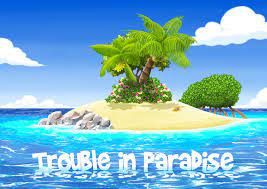
Trouble in Paradise

This lesson can be used either in a classroom or online. Plot Summary: In this short film, a crab is living on a tropical island. When a coconut falls from a palm tree, the crab is alarmed and treats the coconut like a dangerous enemy. The crab cautiously approaches the coconut to investigate and ultimately Trouble in Paradise