Archives: Philosophy ToolKit

Demands for Argument and Civility in Douglass’ 1852 Fourth of July Oration

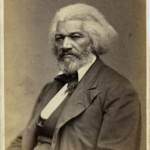
Federick Douglass

Introduction: Calls for civility are common features of contemporary political discourse, and teaching high school students how to engage in civil discourse over contentious issues is of obvious importance. Calls for civility, however, do not always distribute burdens equally. This is particularly true in cases where someone is called on to defend the legitimacy of Demands for Argument and Civility in Douglass’ 1852 Fourth of July Oration

Trolley Problem Ethics

trolley car

See the Lesson Attachment link above for a PDF of this lesson plan. Stimulus: Introduce Scenario 1:1 1:1: You are a train driver. As you are driving you look ahead and see 5 people trapped on the tracks. There is no way that you will be able to stop the train before running them over Trolley Problem Ethics

Philosophy of Kindness

kindness

Introduction: Have students draw up a page with two columns. Title one side ‘kind’ and the other side ‘unkind’. Get them to list actions or behaviours that they have done themselves, had done to them, or witnessed being done to others into each column. This introduction gets them working on their prior knowledge of the Philosophy of Kindness

Philosophy of Emotion

Poster for movie Alike - cartoon image of yellow child and blue adult

Stimulus: Play the short film ‘Alike’ (found in the Video Tab above) as the stimulus for the lesson Sharing: Generate concepts/questions/ideas that come from the film. These can be anything at this stage. They might include: why did they change colours? It was about feeling sad. It was about how bad school is. Younger children Philosophy of Emotion

Music Experience Audio Guide

  Audio instructions for an activity the student does on their own as a personalized experience.  Designed to help and create a relationship with music.

Me and You

Ripples in water reflecting sky

Start off the activity by talking to the students about relationships. Questions: Who here has someone they’re close with? (whether that be a friend or family member) Are there any other people you have a close relationship with? Why do you think you’re close to them? What is a relationship? After introducing the idea of Me and You

Does Grammar Matter?

stack of English grammar books

Lesson Overview Has anyone ever corrected you on your grammar? In this lesson, teachers will encourage students to explore their use of grammar. We all use it, but why does it matter? In looking further into their grammar use, students will consider the role that grammar plays in different people’s lives. This lesson breaks down Does Grammar Matter?

Can there be Courage in a World without Vulnerability?

Woman leaping over cravass at sunset

This lesson explores the definitions of courage and the definition of a lesser discussed word: vulnerability. Through a series of questions the lesson is geared to get students thinking about a possible connection that exists between vulnerability and courage. It challenges the stigma often associated with vulnerability in society, while encouraging students to embrace taking risks and leaning Can there be Courage in a World without Vulnerability?

Where are you?

Signpost in country side

Warm Up Activity: Where do you live? Ask students the following questions: What street do you live on? What town do you live in? What state do you live in? What country do you live in? What do you live near? What is around you? Reflect on this activity by reminding them that there are Where are you?