Archives: Philosophy ToolKit

What’s the Point?

Man with hand on face

Have students answer the prompt: “I am wondering, what’s the point of _______?” with as many responses as they can think of. Make a list of their answers and then vote for which ones the group would like to discuss first. Think together about what the point is of the thing in question. Might it What’s the Point?

What Are Your Demands?

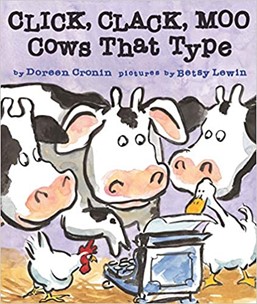
Cover of Click, Clack, Moo Cows that type. 3 cows, chickened and duck typing on typewriter

In the book Click, Clack, Moo Cows That Type by Doreen Cronin, a group of animals refuse to produce for a farmer until he meets their demands. Read the story together (or watch a read aloud of the book online), then ask the children to make their own list of demands. Give them full freedom What Are Your Demands?

Mr. Brown’s Precepts

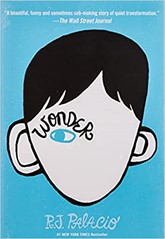
Cover of book Wonder. Illustration of face with only one eye on it and word wonder above the eye

Many 4th, 5th, and 6th graders have read the book Wonder by R.J. Palacio and will be familiar with Mr. Brown’s monthly precepts. These are inspirational sayings the teacher, Mr. Brown, puts on his board monthly for his students. For example, the precept for September is “When given a choice between being right or being Mr. Brown’s Precepts

Is it Dessert?

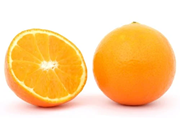
Half an orange and whole orange

Using whatever piece of fruit you have available, ask if that fruit is dessert. With this simple prompt, a rich discussion about the nature of dessert will develop. Is anything you eat after a meal dessert? Is it dessert if you ate it without eating a meal first? Can it be dessert if it is Is it Dessert?

Thinking about Imaginary Friends

This is an activity that works best with younger children (7-8 years old is ideal). There are several books that can prompt thinking about imaginary friends. You might try: These books can be used alone or one after another for a series of conversations about imaginary friends. You can read the book(s) and then ask Thinking about Imaginary Friends

Do You Know You Have Hands?

Hands painted in multi colors

Philosophers question what others take for granted. Asking young people whether they know they have hands (or feet, eyes, or ears) can be a wonderful way to have fun while practicing careful thinking. Start by asking “Do you know you have hands?” If the child responds, “Of course I know I have hands!” you can Do You Know You Have Hands?

Philosophy of Teams

Description: In this lesson, educators will ask students a number of questions about a sports team undergoing different types of hypothetical changes over the course of an offseason. The questions, which discuss player replacements to uniform and location switches, invite students to grapple with the question, “how much change has to occur over the course Philosophy of Teams

Are We Living in a Simulation?

Are We Living in a Simulation, and What Would it Mean if the Answer is Yes? The purpose of this lesson is to explore the nature of reality and how we know whether or not anything is real Begin the lesson with the two short embedded videos to get the students thinking and engaged in Are We Living in a Simulation?