philosophy for children

The Bear That Wasn’t
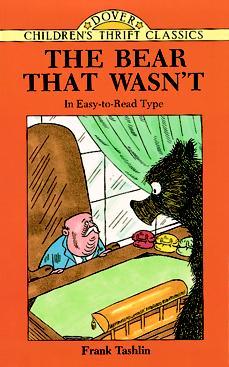
The Bear That Wasn’t, written in written in 1946 by Frank Tashlin, explores identity and what we can know about ourselves and others. The bear in the story wakes up after winter hibernation and a factory has been built over the cave where he had slept. He is in the middle of a busy factory, The Bear That Wasn’t

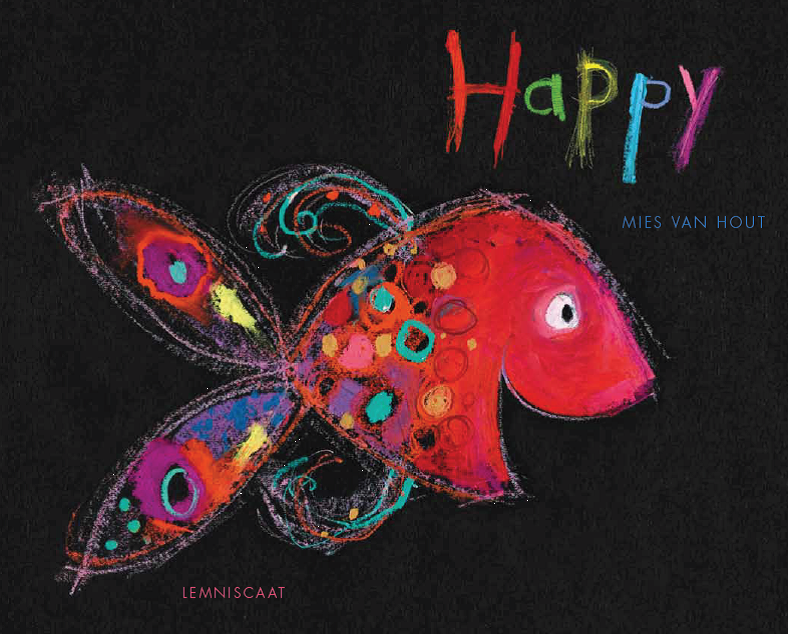
Happy

Mies Van Hout’s Happy explores feelings by illustrating one word – brave, surprised, proud, angry – with lively pastels of unusual-looking fish. The book is engaging and the simple structure makes it easy to discuss with children some interesting questions about feelings and emotions. What is an emotion? Are emotions and feelings the same? Do the Happy

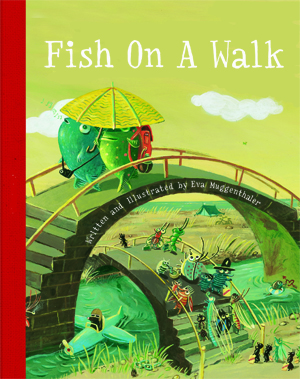
Fish On A Walk

Fish on A Walk by Eva Muggenthaler is a new picture book that illustrates each picture with only two adjectives — “Happy-Sad,” “Jealous-Accepting,” “Wild-Polite,” etc. — and each picture contains a wealth of activities and behaviors that invite exploration of what these words mean. Can you be jealous and accepting at the same time? If you’re happy can you Fish On A Walk

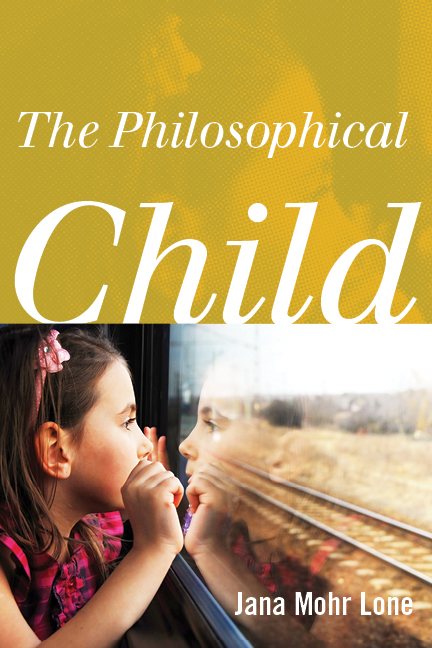
The Philosophical Child

This will be my last blog post for the school year – I’ll start again in September. I wanted to let everyone know that my book, The Philosophical Child, is currently at press and will be available in September, published by Rowman & Littlefield. Here is the short summary of the book: Do children ask philosophical The Philosophical Child

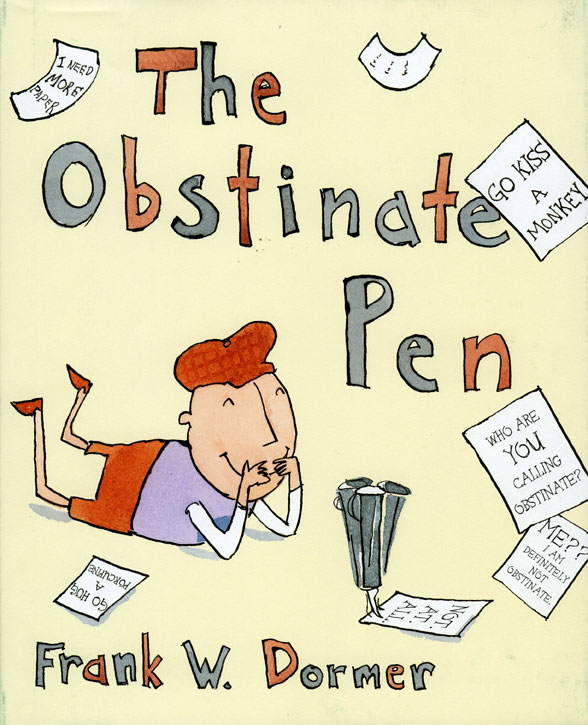
The Obstinate Pen

The Obstinate Pen by Frank Dormer is a new picture book about a pen with a mind of its own. Each adult who ends up with the pen finds that it won’t write what the adult intends, but instead writes what seem to be the pen’s own thoughts and observations, which are often insulting and The Obstinate Pen

The If Machine

The If Machine, by Peter Worley, was published in 2011 and is full of ideas for motivating philosophical conversations with children. The first quarter of the book is an introduction to doing philosophy with young people and contains many useful general suggestions for introducing philosophy in elementary school classrooms. The rest of the book is The If Machine

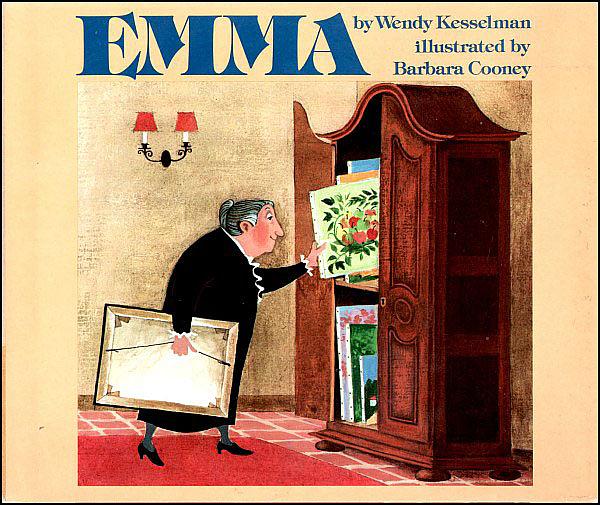
Emma

Exploring the nature of artistic inspiration and the relationship between art and life, the picture book Emma by Wendy Kesselman tells the story of Emma, who is seventy-two years old, lives alone with her cat and sometimes is “very lonely.” For her birthday, Emma’s family gives her a painting of her childhood village, and Emma Emma

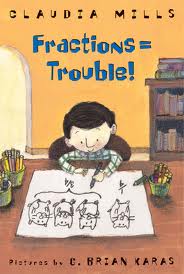
Fractions = Trouble!

Claudia Mills’ latest book Fractions = Trouble! is about Wilson, who is having trouble with math in his third grade classroom, and so his parents hire a math tutor to help him. Embarrassed by this, Wilson is determined to keep it a secret from everyone at school. Wilson’s interactions with his tutor, his brother Kipper, his Fractions = Trouble!

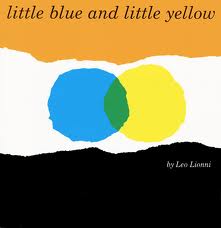
little blue and little yellow

Another Leo Lionni book, little blue and little yellow tells the story of two friends, both blobs of color, who love playing together, and one day hug each other so much that they both become green. Their parents declare that they are no longer who they were. Like all the Lionni books I’ve been reading, this little blue and little yellow