philosophy for children

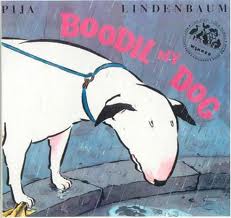
Boodil My Dog

Boodil My Dog by Pija Lindenbaum tells the story of a child’s relationship with the family dog, Boodil, a bull terrier. The child describes Boodil as “brilliant,” “fierce, strong and brave,” with “nerves of steel.” The drawings in the story, however, paint a different picture, as Boodil is shown, among other things, moving very slowly, Boodil My Dog

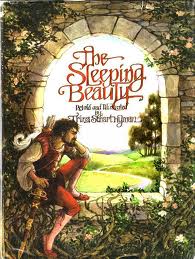
The Sleeping Beauty

We all know the story of The Sleeping Beauty, on whom a curse is placed at birth. In the story, the 13th of thirteen wise women, angry because she is not invited to the celebration of Sleeping Beauty’s birth, announces a curse upon Sleeping Beauty: she will prick her finger on a spinning wheel on her The Sleeping Beauty

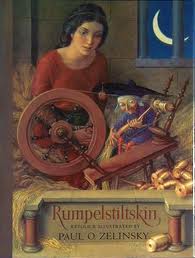
Rumpelstiltskin

I’ve been re-reading fairy tales and exploring their philosophical potential. So many questions, especially about ethics, are raised by these stories! I just read a version of the Brothers Grimm story Rumpelstiltskin, as retold and illustrated by Paul Zelinsky. The story can be read, of course, as a morality tale about the greed of Rumpelstiltskin Rumpelstiltskin

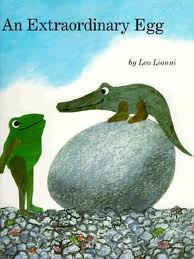
An Extraordinary Egg

Leo Lionni’s picture books are wonderful for thinking with children about philosophical questions. I’m working on a paper about Lionni and philosophy for children, and last night I read his An Extraordinary Egg. In the story, Jessica. a frog, lives with two other frogs. Jessica is “full of wonder,” and frequently ventures out on long An Extraordinary Egg

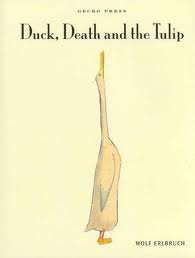
Duck, Death and the Tulip

My friend Deb Tollefsen at University of Memphis recommended Duck, Death and the Tulip, by Wolf Erlbruch, which tells the story of Duck and her meeting with Death, who informs Duck that “I’ve been close by all your life.” The two spend some time together, and they talk about death. In many of the frames, Duck, Death and the Tulip

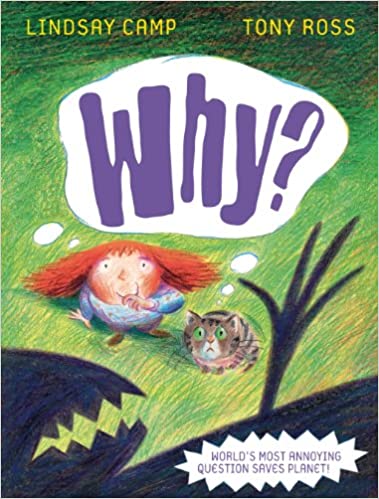
Why?

The picture book Why, written by Lindsay Camp and illustrated by Tony Ross, is one of those books that illuminates in many ways the whole point of doing philosophy with children. The story is about Lily, who, in response to virtually anything that happens, asks the question, “Why?” Her dad tries to respond to her questioning, Why?

Music or food?

Last week fourth grade students at John Muir Elementary and I talked about the story Frederick by Leo Lionni. (I have written about this story in a previous post.) We began talking about why it’s important to Frederick to collect words and colors, as opposed to foraging for the food the family will need for Music or food?

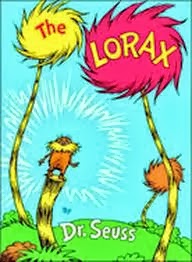
The Lorax

This morning I talked about Dr. Suess’ The Lorax with a class of fourth grade students at John Stanford International School in Seattle. They have been having discussions about environmental issues, and we had a lovely conversation about the destruction of the truffula trees and the loss of Bar-ba-loots, Swomee-Swans and Humming-Fish in the story. We The Lorax

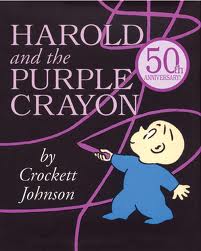
Harold and the Purple Crayon

What can we know about the nature of reality? A wonderful story for motivating conversations about this question is Harold and the Purple Crayon by Crockett Johnson. First published in 1955, the story begins with Harold deciding, “after thinking it over for some time,” to take a walk in the moonlight. No moon is out, so Harold takes Harold and the Purple Crayon