Topic: reasoning

What Are Your Demands?
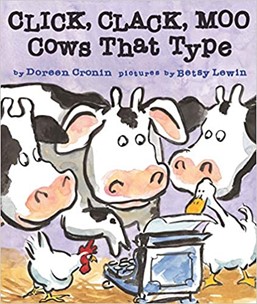
Cover of Click, Clack, Moo Cows that type. 3 cows, chickened and duck typing on typewriter

In the book Click, Clack, Moo Cows That Type by Doreen Cronin, a group of animals refuse to produce for a farmer until he meets their demands. Read the story together (or watch a read aloud of the book online), then ask the children to make their own list of demands. Give them full freedom What Are Your Demands?

The Present

This lesson can be used either in a classroom or online. Plot Summary: In this short film, a child is sitting inside on a sunny day playing video games. Their mother comes home with a box and suggests they stop playing video games and open the present. Inside the box is a wiggly, excited, and The Present

The Imaginary House

toy house on snail

Materials needed: A paper and a pen.  Description: The imaginary house is a small activity to keep children’s imagination power alive. The activity starts with the facilitator assuming the role of a builder and home designer. Participants will be shown basic things like ceiling fan, table fan, Air Conditioners, television set; objects like a laptop, The Imaginary House

The Jigsaw Puzzle Game

colorful jigsaw puzzle

Materials needed: A picture (hardcopy/softcopy depending on the mode of lecture) Description: The selected picture should be divided equally in ratio with the number of participants and each participant should be handed over one part of the image. The facilitator will now ask the participants to guess the picture presented to them. Since each participant The Jigsaw Puzzle Game

Wants versus Needs Exercise

""

Step One: Distinguishing Wants and Needs  Give the students a worksheet with the following questions: 1. What are some things you want? 2. What are some things you need? 3. What is the difference between what you want and what you need? 4. Do all people have the same wants? 5. Do all people have Wants versus Needs Exercise

Beliefs and Evidence

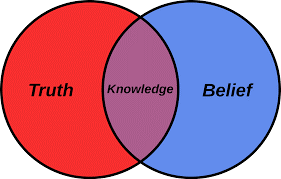
Materials needed: Paper and pen/pencil Description: Begin by having a loose discussion about the difference between “opinion” and “knowledge.” This should bring up claims about reasons, evidence, and proof. After a brief discussion about this difference, have the students write down three things they know. For each statement, have the students write down their best Beliefs and Evidence

Reasoning and Arguments

Photograph of a row of students smiling and engaging in philosophical dialogue in a classroom

Materials needed: Paper, writing utensil Description: First, put these three words on the board: conclusion, premise, argument. Ask the students what these words mean. Often students will need a little guidance here because this is a foreign way of thinking for them. Then give them a very simple argument. For example: P1. If you’re about to Reasoning and Arguments

Convince your Teacher/Principal

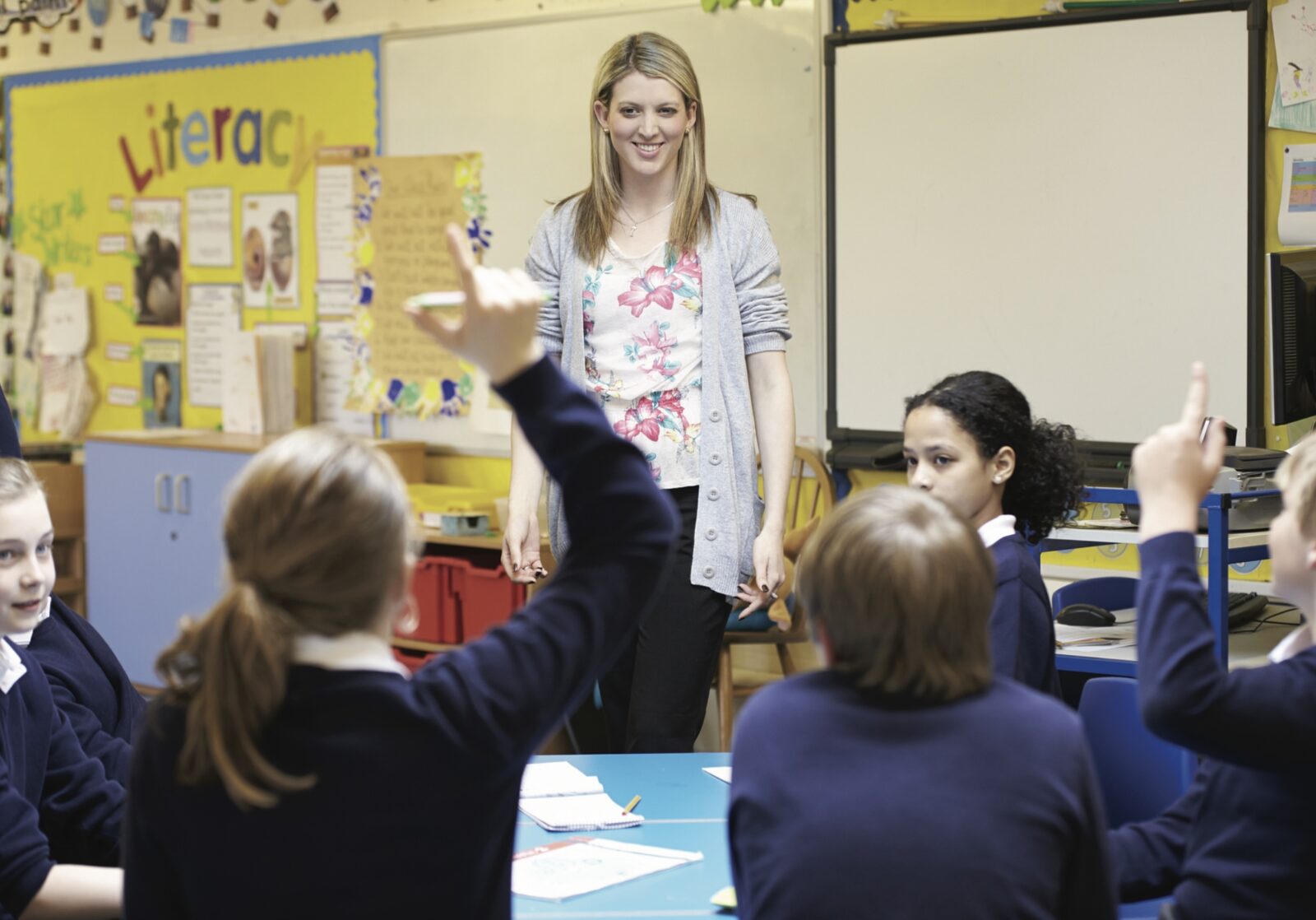
teacher in classroom in front of students

Introduction What is an argument? An argument consists of a set of reasons that are given with the intention of persuading someone else that a particular action or idea is right or wrong, good or bad, desirable or undesirable, etc. It is a method of trying to convince another person (or persons) that your position Convince your Teacher/Principal

Activity: Keep the Question Going

""

This game involves students generating questions collaboratively. The exercise runs easily for about ten minutes and can go for a half hour or more with discussion. It is often a good exercise to use early in the year, as it helps students listen to each other and gets them thinking about what makes a question Activity: Keep the Question Going