
Justice and Utopia
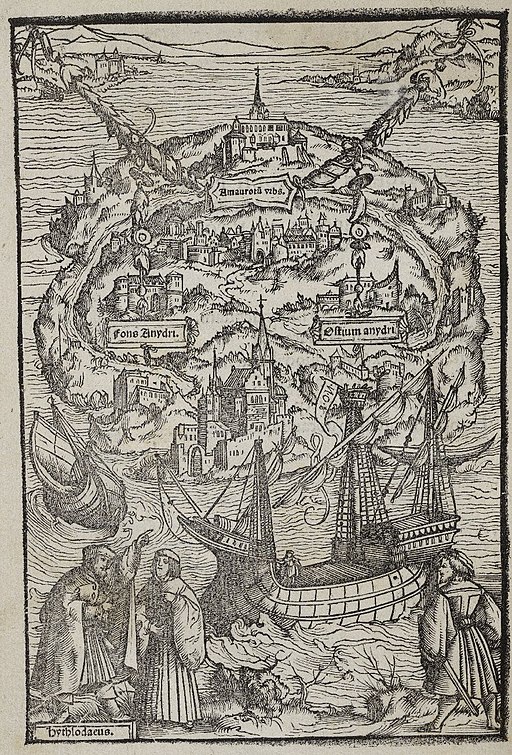
Students engage with the ‘Ring of Gyges’ story from Plato’s Republic and John Rawls’ concept of the ‘veil of ignorance’ to examine how a just society might be organized.
Students engage with the ‘Ring of Gyges’ story from Plato’s Republic and John Rawls’ concept of the ‘veil of ignorance’ to examine how a just society might be organized.

Materials needed: John Locke’s Second Treatise on Government, chapters two and eight. An alternative is James Rachels’ The Elements of Moral Philosophy, chapter eleven, “The Idea of a Social Contract” (see full citations and links in the ‘Resources’ section) A questionnaire (see below) Poster board for displaying the finished constitution Optional: online discussion forum; wig … Social Contract Theory: Creating a Cooperative Learning Environment
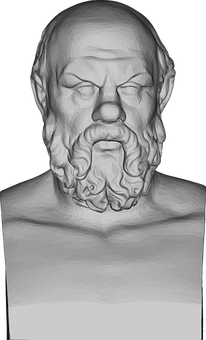
Introduction In 399 BCE Socrates was tried by an Athenian jury on charges of (a) denying the existence of deities, (b) introducing new deities, and (c) corrupting the youth of Athens. Socrates was found guilty and ultimately executed. His trial and death have remained controversial until today. This activity involves retrying Socrates, using as the … The Trial of Socrates

PLATO is part of a global UNESCO network that encourages children to participate in philosophical inquiry. As a partner in the UNESCO Chair on the Practice of Philosophy with Children, based at the Université de Nantes in France, PLATO is connected to other educational leaders around the world.
Connect With Us!