
Resources about “Fake News” and “Alternative Facts”
Guardian: New Fake News Dilemma Karl Bergstrom Guardian: 10 Alternative Facts for a Post-truth World critical reasoning Sonoma State Calling bullshit in the age of big data #11
Guardian: New Fake News Dilemma Karl Bergstrom Guardian: 10 Alternative Facts for a Post-truth World critical reasoning Sonoma State Calling bullshit in the age of big data #11
Are We Living in a Simulation, and What Would it Mean if the Answer is Yes? The purpose of this lesson is to explore the nature of reality and how we know whether or not anything is real Begin the lesson with the two short embedded videos to get the students thinking and engaged in … Are We Living in a Simulation?
This lesson plan is accessible through the Lesson Attachment above.

This is a quick and easy activity to inspire your students to think about math in a different way. The forced metaphor of the wildflower and flower bed in relation to math requires students to think about mathematics philosophically and not only in terms of computation. This activity can be used as a warm-up activity … How is Math Like a Wildflower or a Flower Bed?

“Imagination is the only weapon in the war against reality.” – Lewis Carroll Materials needed: Computer (and projector if possible) to show video clip, paper and writing utensil, white board and dry erase marker or chalkboard and chalk Activity: Part 1: Play Video Clip Part 2: Ask students to write a list of 5 things … Imagining New Realities
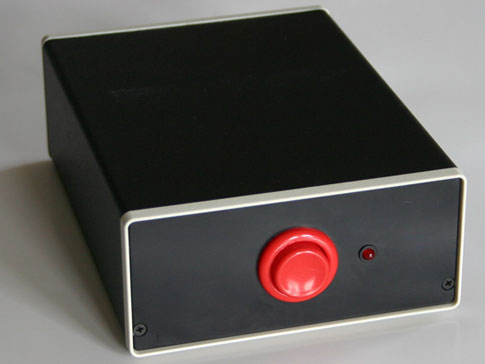
Students are arranged into groups of 2-4. First they formulate their answers to written questions, then they work together as a group to respond to a challenge at the end of the activity. Discussion Questions For the first few questions, think about all of the different kinds of things that you do at home, at … Magic Box Activity
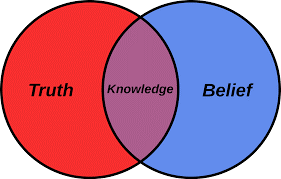
Materials needed: Paper and pen/pencil Description: Begin by having a loose discussion about the difference between “opinion” and “knowledge.” This should bring up claims about reasons, evidence, and proof. After a brief discussion about this difference, have the students write down three things they know. For each statement, have the students write down their best … Beliefs and Evidence
Materials needed: Paper, writing utensil Description: First, put these three words on the board: conclusion, premise, argument. Ask the students what these words mean. Often students will need a little guidance here because this is a foreign way of thinking for them. Then give them a very simple argument. For example: P1. If you’re about to … Reasoning and Arguments
In this middle school philosophy lesson plan, students express the degree of confidence they have in the truth of various statements.
An introduction to argumentation that uses comedic skits from Monty Python to support understanding the components of an argument and how to evaluate an argument.

PLATO is part of a global UNESCO network that encourages children to participate in philosophical inquiry. As a partner in the UNESCO Chair on the Practice of Philosophy with Children, based at the Université de Nantes in France, PLATO is connected to other educational leaders around the world.
Connect With Us!