Area: Language Arts and Literature

Mr. Brown’s Precepts
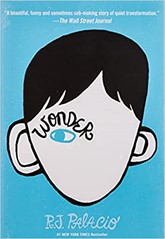
Cover of book Wonder. Illustration of face with only one eye on it and word wonder above the eye

Many 4th, 5th, and 6th graders have read the book Wonder by R.J. Palacio and will be familiar with Mr. Brown’s monthly precepts. These are inspirational sayings the teacher, Mr. Brown, puts on his board monthly for his students. For example, the precept for September is “When given a choice between being right or being Mr. Brown’s Precepts

Is it Dessert?

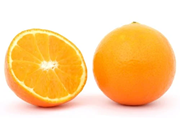
Half an orange and whole orange

Using whatever piece of fruit you have available, ask if that fruit is dessert. With this simple prompt, a rich discussion about the nature of dessert will develop. Is anything you eat after a meal dessert? Is it dessert if you ate it without eating a meal first? Can it be dessert if it is Is it Dessert?

Thinking about Imaginary Friends

This is an activity that works best with younger children (7-8 years old is ideal). There are several books that can prompt thinking about imaginary friends. You might try: These books can be used alone or one after another for a series of conversations about imaginary friends. You can read the book(s) and then ask Thinking about Imaginary Friends

Are We Living in a Simulation?

Are We Living in a Simulation, and What Would it Mean if the Answer is Yes? The purpose of this lesson is to explore the nature of reality and how we know whether or not anything is real Begin the lesson with the two short embedded videos to get the students thinking and engaged in Are We Living in a Simulation?

Does Grammar Matter?

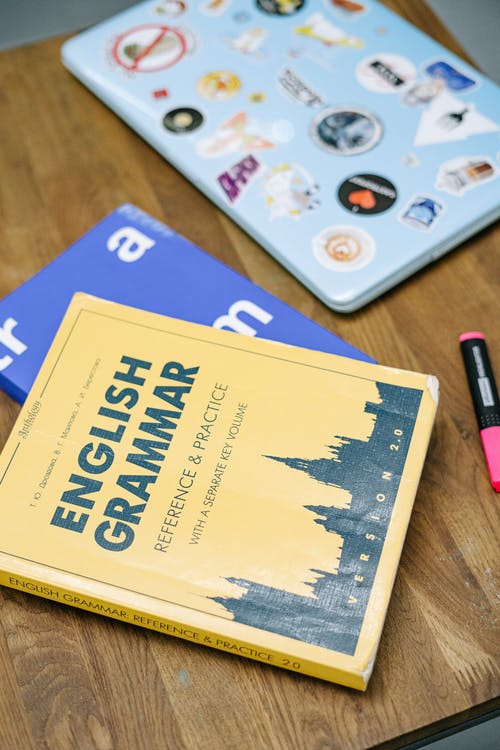
stack of English grammar books

Lesson Overview Has anyone ever corrected you on your grammar? In this lesson, teachers will encourage students to explore their use of grammar. We all use it, but why does it matter? In looking further into their grammar use, students will consider the role that grammar plays in different people’s lives. This lesson breaks down Does Grammar Matter?

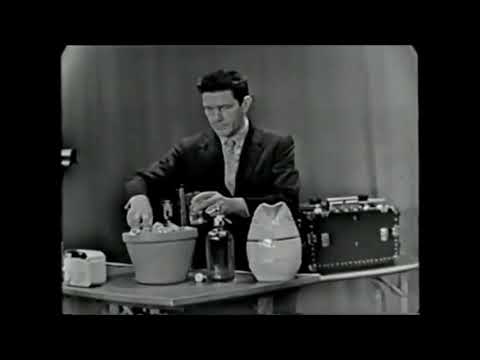
Water Walk by John Cage

Water Walk by John Cage Whole Sequence Breakdown: Welcome and warm-up (c. 5-10 minutes) Brief introduction to John cage and Water Walk  (5 minutes) Viewing to Water Walk (without giving away the “secret”) (5 minutes) Small group discussions (c. 10-15 minutes) Whole-group share and discussion (20 minutes) Possible extensions (for extra time, or additional lessons) Water Walk by John Cage

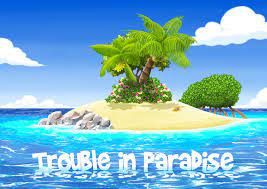
Trouble in Paradise

This lesson can be used either in a classroom or online. Plot Summary: In this short film, a crab is living on a tropical island. When a coconut falls from a palm tree, the crab is alarmed and treats the coconut like a dangerous enemy. The crab cautiously approaches the coconut to investigate and ultimately Trouble in Paradise

The Present

This lesson can be used either in a classroom or online. Plot Summary: In this short film, a child is sitting inside on a sunny day playing video games. Their mother comes home with a box and suggests they stop playing video games and open the present. Inside the box is a wiggly, excited, and The Present

The Happiness Game 

toy letters that say DID YOU SMILE TODAY?

The Happiness Game  Materials needed: A paper and a pen.  The facilitator has to make three columns as follows:  a. Things I must have to be happy.  b. Things I would like to have to be happy.  c. Things I do not require to be happy.  Participants have to add three things in each column. The Happiness Game 

The Emoticon Game

Yellow smiley face

Materials needed: Pictures of WhatsApp or other sets of emoticons.  Description: Students will be presented with a situation where they have to select three emoticons that would most likely be their reactions to a given situation. They now have to finalize one emoticon out of the three narrowed down; while doing so, they have to The Emoticon Game