Area: History and Social Studies

Moral Philosophy and Genocide
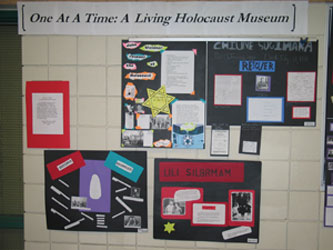
Photograph of a school project about the Holocaust

Talking About Moral Philosophy and Genocide with Middle School Students Middle school students often face difficult moral choices. We can help students approach these choices thoughtfully by introducing them to philosophical inquiry, and inviting them to consider such moral issues as the consequences of inaction and silence, the difference between inaction and indifference, and whether Moral Philosophy and Genocide

One Rule Game

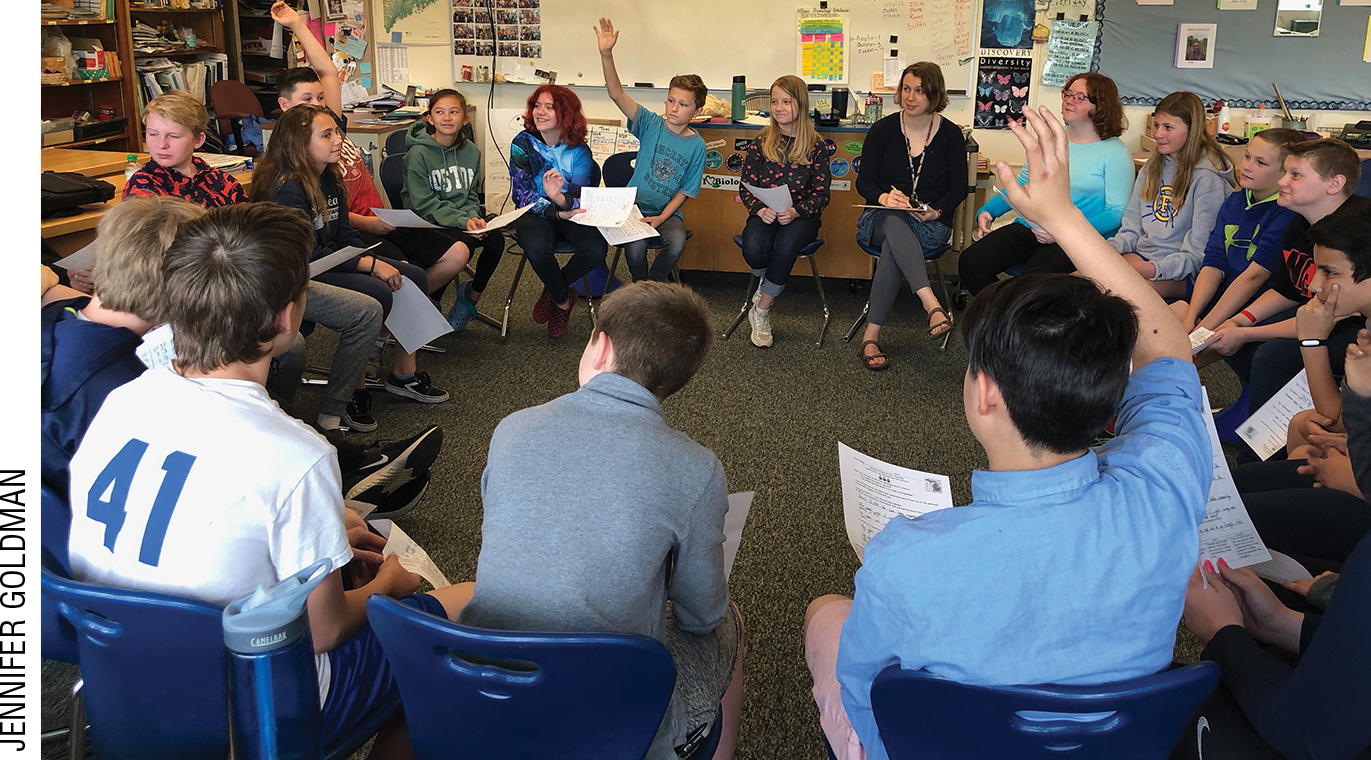
Photograph of a circle of students engaged in a lively philosophical discussion

This exercise attempts to give students the opportunity to formulate rules that they themselves would choose to be governed by. It explores the rules that they, as a community, would agree upon. And it tries to implement these rules in the classroom setting so as to test their viability in the crucible of real-world experience. One Rule Game

Difference: A Philosophy Game

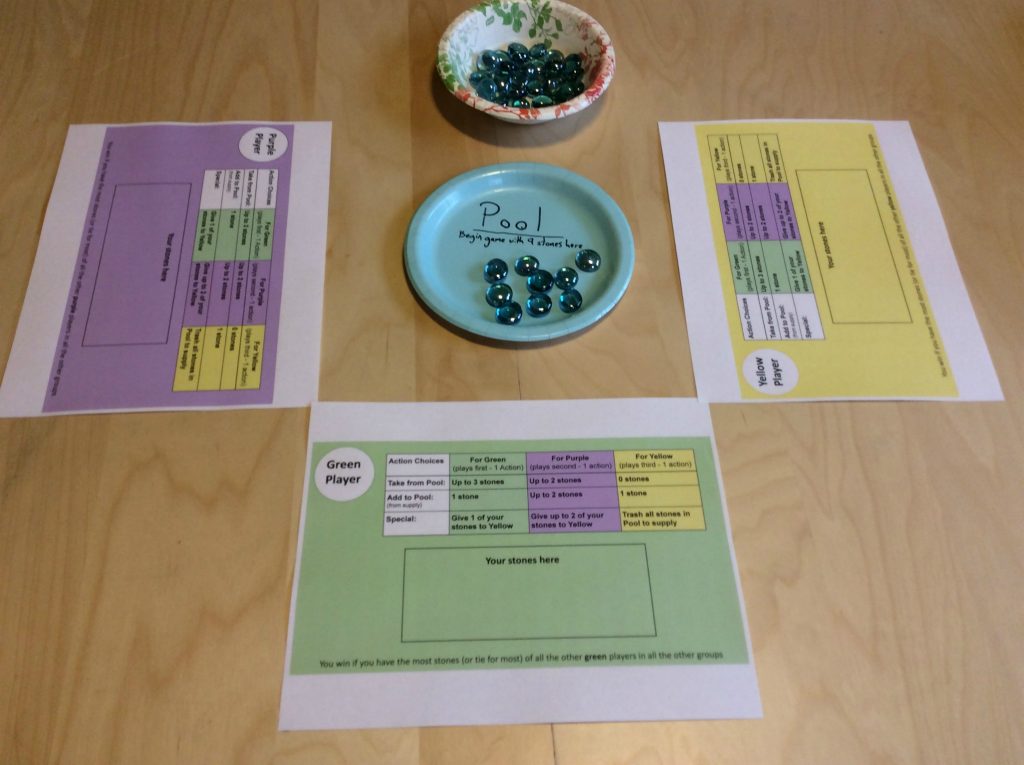
What is Difference? Difference is an easy-to-learn, fast-to-play, negotiation game that is designed to promote philosophical discussion about inequity both inside and outside of the game. Set-up Divide the class into groups of exactly 3 students each. Each group consists of a green, purple, and yellow player. Each group is given player cards at random Difference: A Philosophy Game

Can We be Authentic in Everyday Life?

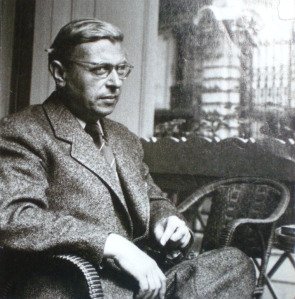
“Republic of Silence,” by Jean-Paul Sartre Jean-Paul Sartre came to define post-war Existentialism.  In this prominent editorial published shortly after the occupation ended, Sartre articulates both the context to his views and the suggestion that everyday life may present even more challenges to real “Existential Choice.”  After watching this short video, read the essay and Can We be Authentic in Everyday Life?

What is a Human Being?

The first half of Brave New World  by Aldous Huxley depicts a socially programmed society in which advances in science and technology have created a world full of people who are biologically human but may not be fully human in other ways.  This lesson sequence can be done after a few days of initial work on What is a Human Being?

The Trial of Socrates

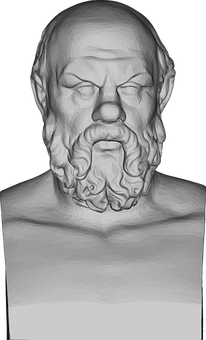
bust of socrates

Introduction In 399 BCE Socrates was tried by an Athenian jury on charges of (a) denying the existence of deities, (b) introducing new deities, and (c) corrupting the youth of Athens.  Socrates was found guilty and ultimately executed.  His trial and death have remained controversial until today.  This activity involves retrying Socrates, using as the The Trial of Socrates