Area: History and Social Studies

Mr. Brown’s Precepts

Cover of book Wonder. Illustration of face with only one eye on it and word wonder above the eye

Many 4th, 5th, and 6th graders have read the book Wonder by R.J. Palacio and will be familiar with Mr. Brown’s monthly precepts. These are inspirational sayings the teacher, Mr. Brown, puts on his board monthly for his students. For example, the precept for September is “When given a choice between being right or being Mr. Brown’s Precepts

Thinking about Imaginary Friends

This is an activity that works best with younger children (7-8 years old is ideal). There are several books that can prompt thinking about imaginary friends. You might try: These books can be used alone or one after another for a series of conversations about imaginary friends. You can read the book(s) and then ask Thinking about Imaginary Friends

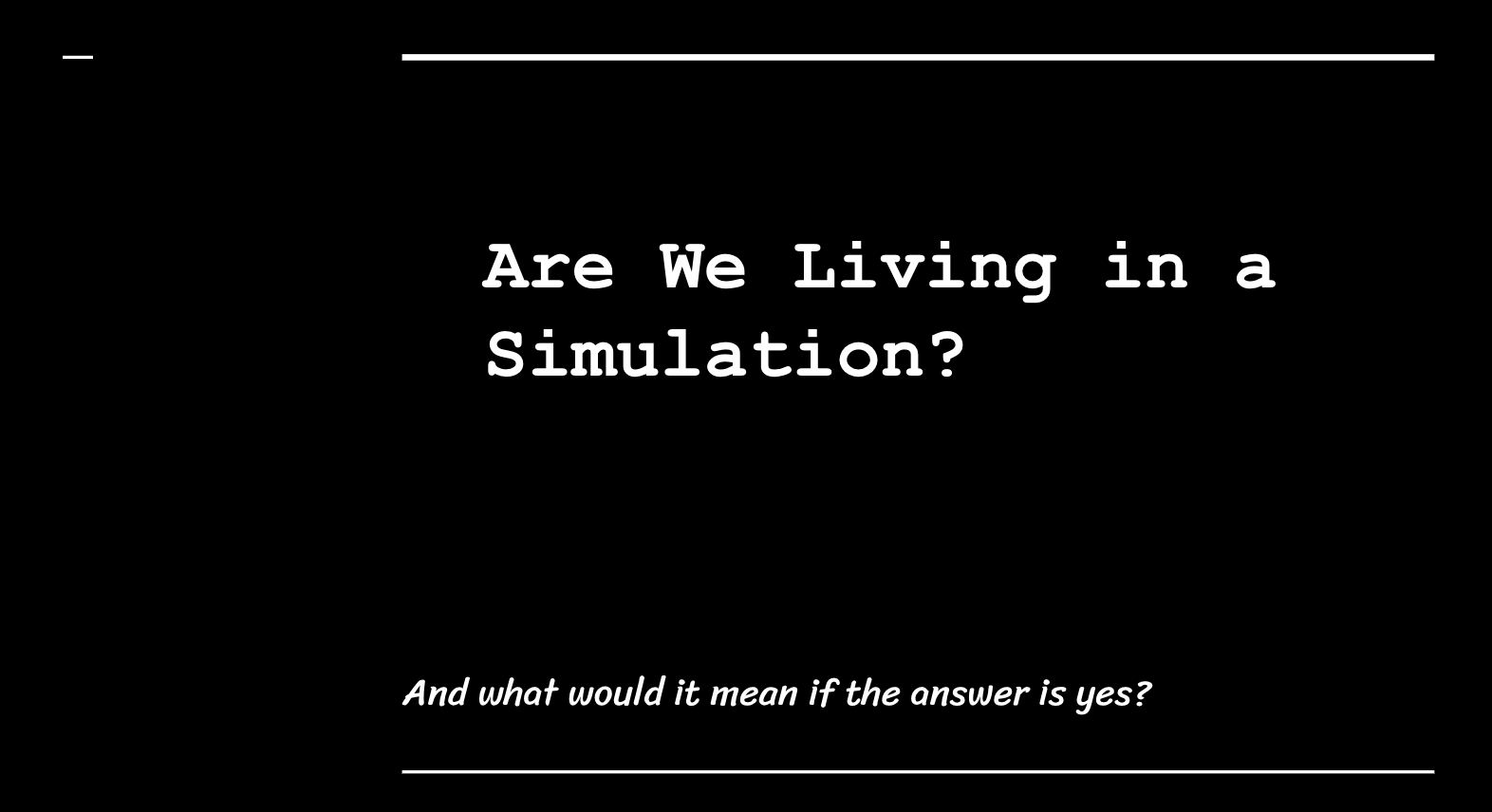
Are We Living in a Simulation?

Are We Living in a Simulation, and What Would it Mean if the Answer is Yes? The purpose of this lesson is to explore the nature of reality and how we know whether or not anything is real Begin the lesson with the two short embedded videos to get the students thinking and engaged in Are We Living in a Simulation?

Philosophy of Kindness

kindness

Introduction: Have students draw up a page with two columns. Title one side ‘kind’ and the other side ‘unkind’. Get them to list actions or behaviours that they have done themselves, had done to them, or witnessed being done to others into each column. This introduction gets them working on their prior knowledge of the Philosophy of Kindness

Trolley Problem Ethics

trolley car

See the Lesson Attachment link above for a PDF of this lesson plan. Stimulus: Introduce Scenario 1:1 1:1: You are a train driver. As you are driving you look ahead and see 5 people trapped on the tracks. There is no way that you will be able to stop the train before running them over Trolley Problem Ethics

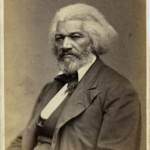
Demands for Argument and Civility in Douglass’ 1852 Fourth of July Oration

Federick Douglass

Introduction: Calls for civility are common features of contemporary political discourse, and teaching high school students how to engage in civil discourse over contentious issues is of obvious importance. Calls for civility, however, do not always distribute burdens equally. This is particularly true in cases where someone is called on to defend the legitimacy of Demands for Argument and Civility in Douglass’ 1852 Fourth of July Oration

Can there be Courage in a World without Vulnerability?

Woman leaping over cravass at sunset

This lesson explores the definitions of courage and the definition of a lesser discussed word: vulnerability. Through a series of questions the lesson is geared to get students thinking about a possible connection that exists between vulnerability and courage. It challenges the stigma often associated with vulnerability in society, while encouraging students to embrace taking risks and leaning Can there be Courage in a World without Vulnerability?

Me and You

Ripples in water reflecting sky

Start off the activity by talking to the students about relationships. Questions: Who here has someone they’re close with? (whether that be a friend or family member) Are there any other people you have a close relationship with? Why do you think you’re close to them? What is a relationship? After introducing the idea of Me and You

Where are you?

Signpost in country side

Warm Up Activity: Where do you live? Ask students the following questions: What street do you live on? What town do you live in? What state do you live in? What country do you live in? What do you live near? What is around you? Reflect on this activity by reminding them that there are Where are you?