Archives: Philosophy ToolKit

Reasoning and Arguments
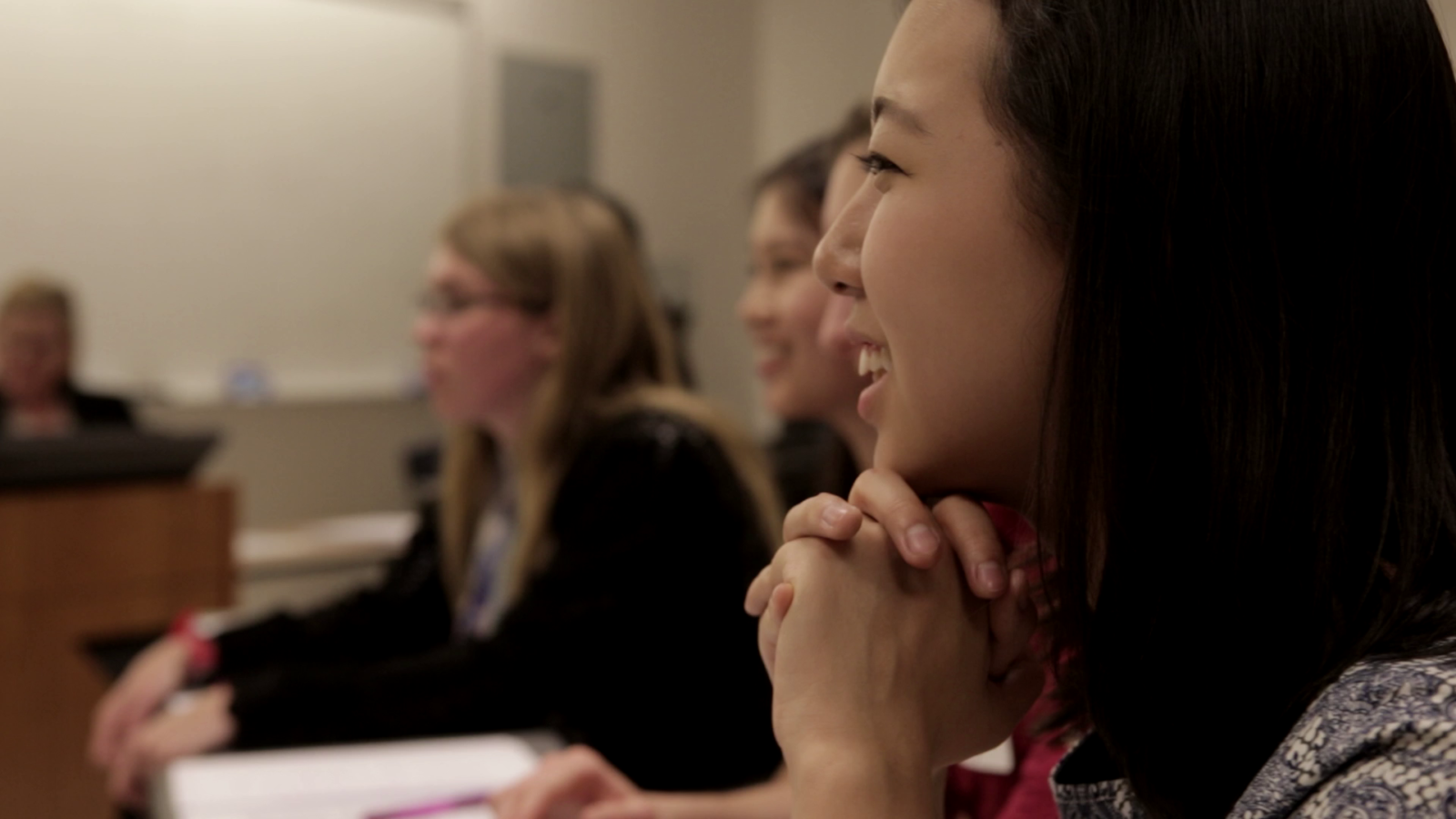
Photograph of a row of students smiling and engaging in philosophical dialogue in a classroom

Materials needed: Paper, writing utensil Description: First, put these three words on the board: conclusion, premise, argument. Ask the students what these words mean. Often students will need a little guidance here because this is a foreign way of thinking for them. Then give them a very simple argument. For example: P1. If you’re about to Reasoning and Arguments

Shallow Pond and Charity

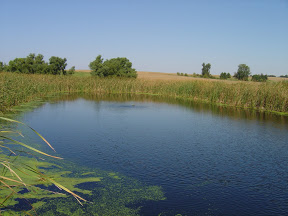
Photograph of a blue pond in a field of grass

Materials needed: Piece of paper, writing utensil Description: First ask the students what makes an action “good” and what makes an action “wrong.” Create a list on the board. Some things often brought up for good actions are that they are directed at helping others, are beneficial in some way, and aren’t against the law. For Shallow Pond and Charity

The Ethics of Self-driving Cars

simple drawing of cars and trucks on windy road

Self-driving cars are already cruising the streets today. And while these cars will ultimately be safer and cleaner than their manual counterparts, they can’t completely avoid accidents altogether. How should the car be programmed if it encounters an unavoidable accident? Patrick Lin navigates the murky ethics of self-driving cars. Patrick Lin navigates the murky ethics The Ethics of Self-driving Cars

Implicit Bias

Background content: Ideally students would have read some background content on implicit bias coming in to the conversation. One possibility is Kelly and Roedder’s 2008 paper “Racial Cognition and the Ethics of Implicit Bias.” (Only provide the first half, as it gives some background on implicit bias and empirical evidence supporting its existence.) Another possibility is just to have Implicit Bias

What is Philosophy?

Introduction to Philosophy/Making Arguments Materials: True/False handout for each student (see “Handout” below for specifics) Two signs, “True” and “False,” placed on opposite sides of the room At the start of class, ask students what they know about philosophy already. Call on a few students. If students need prompting, ask “Do you know any philosophers? What is Philosophy?

Crash: An Ethical Obstacle Course

Crash, directed by Paul Haggis, weaves together the lives of several characters from multiple backgrounds who collide in the busy, often chaotic city of Los Angeles.  The movie revolves around a dozen or so characters from various ethnic, racial, and cultural background whose lives entwine and entangle, often with unpleasant consequences.  In the film, racism and Crash: An Ethical Obstacle Course

Silent Discussion on Ethical Dilemmas

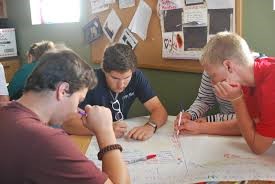
Photograph of a group of young students writing on a large sheet of paper during a "Silent Discussion on Ethical Dilemmas" class

Materials Needed: Several very large sheets of butcher paper (especially with younger students, writing is big and fills up the paper quickly). A few good ethical dilemmas (I list my favorites below). Various colored markers/pens for each student. Preparation: Write or glue one ethical dilemma onto each sheet of butcher paper. Arrange desks/tables into several Silent Discussion on Ethical Dilemmas

Identity & Essence Lego Activity

Legos stuck on to Child's face

Materials Needed: Legos (the more the better) Something on which to display/write out class thoughts (chalkboard, whiteboard, SMARTboard) Camera (optional) Preparation: Have Legos divided up according to how groups will be organized, e.g. in separate piles or in one large pile. Description: 1. (Optional) Warm up and get a sense of our intuitions about the Identity & Essence Lego Activity