Grade Level: Primary/Elementary School

Convince your Teacher/Principal

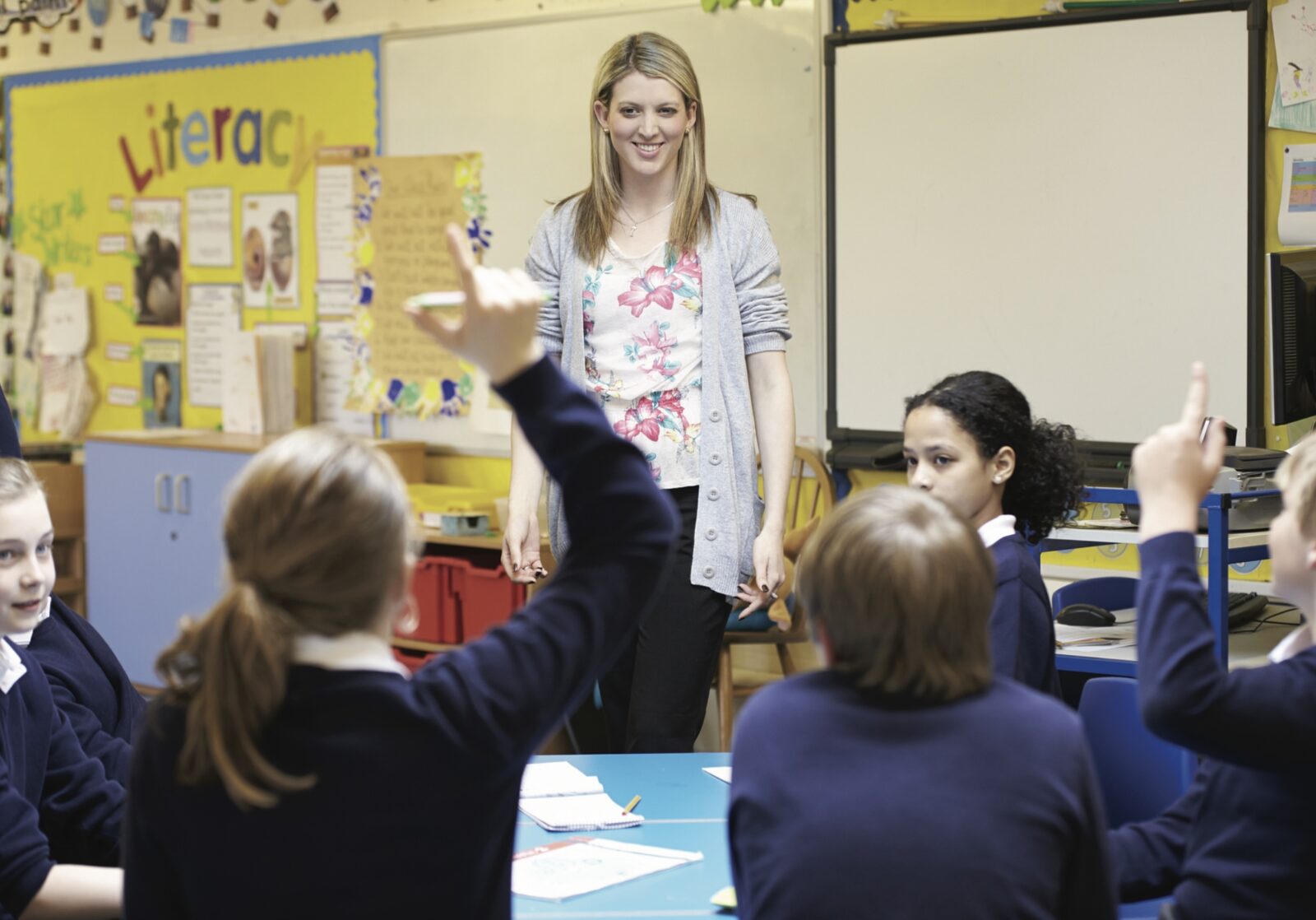
teacher in classroom in front of students

Introduction What is an argument? An argument consists of a set of reasons that are given with the intention of persuading someone else that a particular action or idea is right or wrong, good or bad, desirable or undesirable, etc. It is a method of trying to convince another person (or persons) that your position Convince your Teacher/Principal

On Friendship

child-like drawing of a girl and boy

Materials needed Index cards Whiteboard and several different colored dry erase markers   Description Pass out one index card to each student. Instruct the students to draw, without using representations of people (including stick figures, faces, and the like), a creative representation of a good friendship. Have the students then discuss their drawings in small On Friendship

Stereotyping

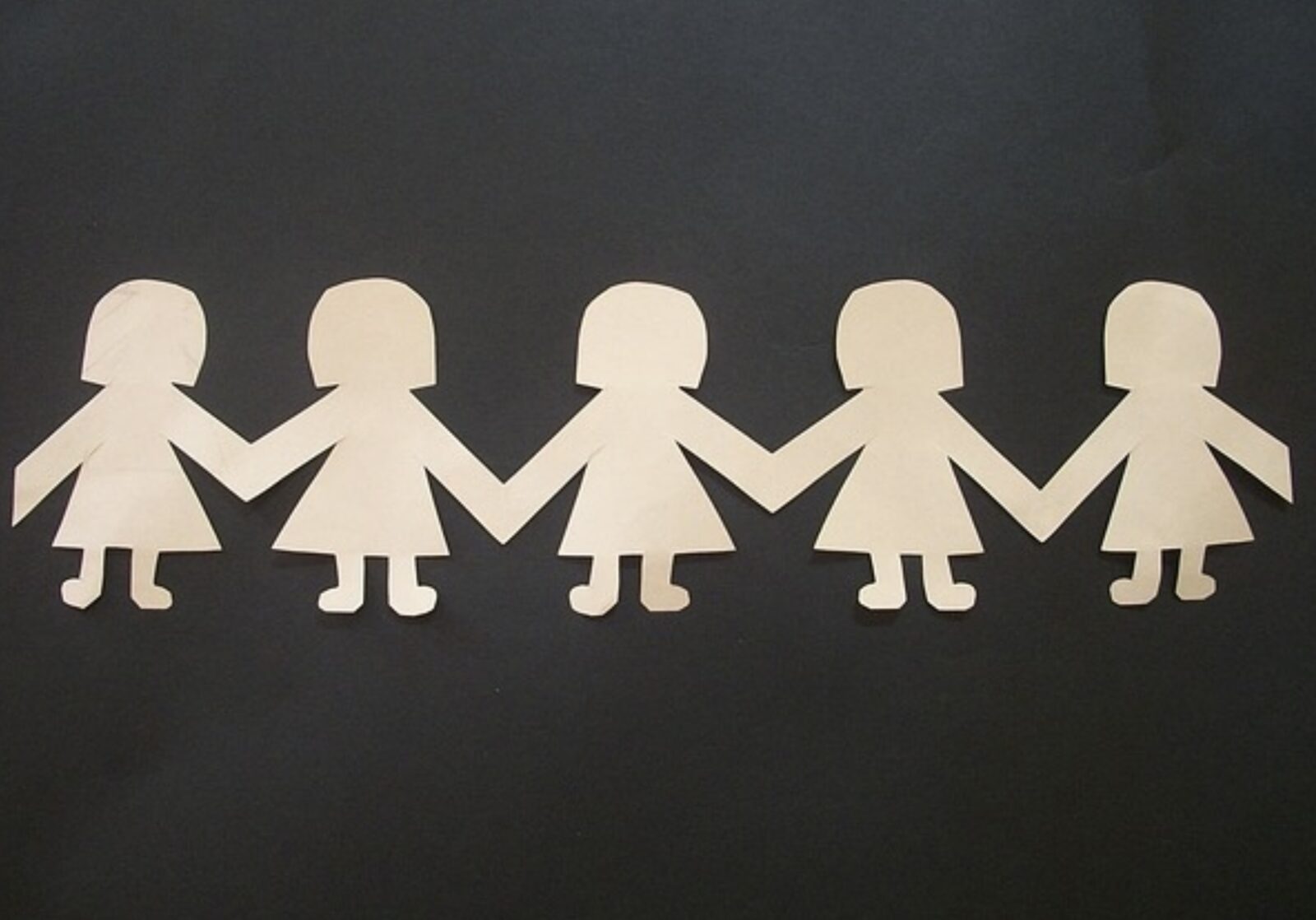
row of 5 paper dolls

Materials needed Plenty of paper Several sets of 5 different colored pencils or markers Timer Warm-Up Activity: Ask your students to think about how they define a stereotype. Work in small groups to come up with a basic definition. Have your students write this definition down. After small group discussion, write each group’s definition on Stereotyping

Fair or Equal?

Materials needed List of roles and responsibilities (see below) A bag of candy   Description Begin the exercise by holding up the bag of candy (make sure you have enough for at least one piece for every student) and ask, “What’s the fair way to distribute the candy in this bag? Who all should get Fair or Equal?

What is art? An Art Activity

Abstract painting

Have each student draw two pictures. One drawing must be a drawing they would call art, and the other one they would not call art. Once the students have finished drawing, ask them to share their pieces and explain what makes one art and the other not. Ask the students listening to the sharing student: What is art? An Art Activity

Activity: Keep the Question Going

""

This game involves students generating questions collaboratively. The exercise runs easily for about ten minutes and can go for a half hour or more with discussion. It is often a good exercise to use early in the year, as it helps students listen to each other and gets them thinking about what makes a question Activity: Keep the Question Going

The Painter and Their Eyes Activity

Materials: A blackboard or whiteboard to draw on, blank pieces of paper for students to draw on, crayons or colored pencils if possible. Description: Frame this exercise by making the point that there are two key skills we want to develop when we do philosophy. These are, first, the ability to communicate clearly and second, The Painter and Their Eyes Activity

One Rule Game

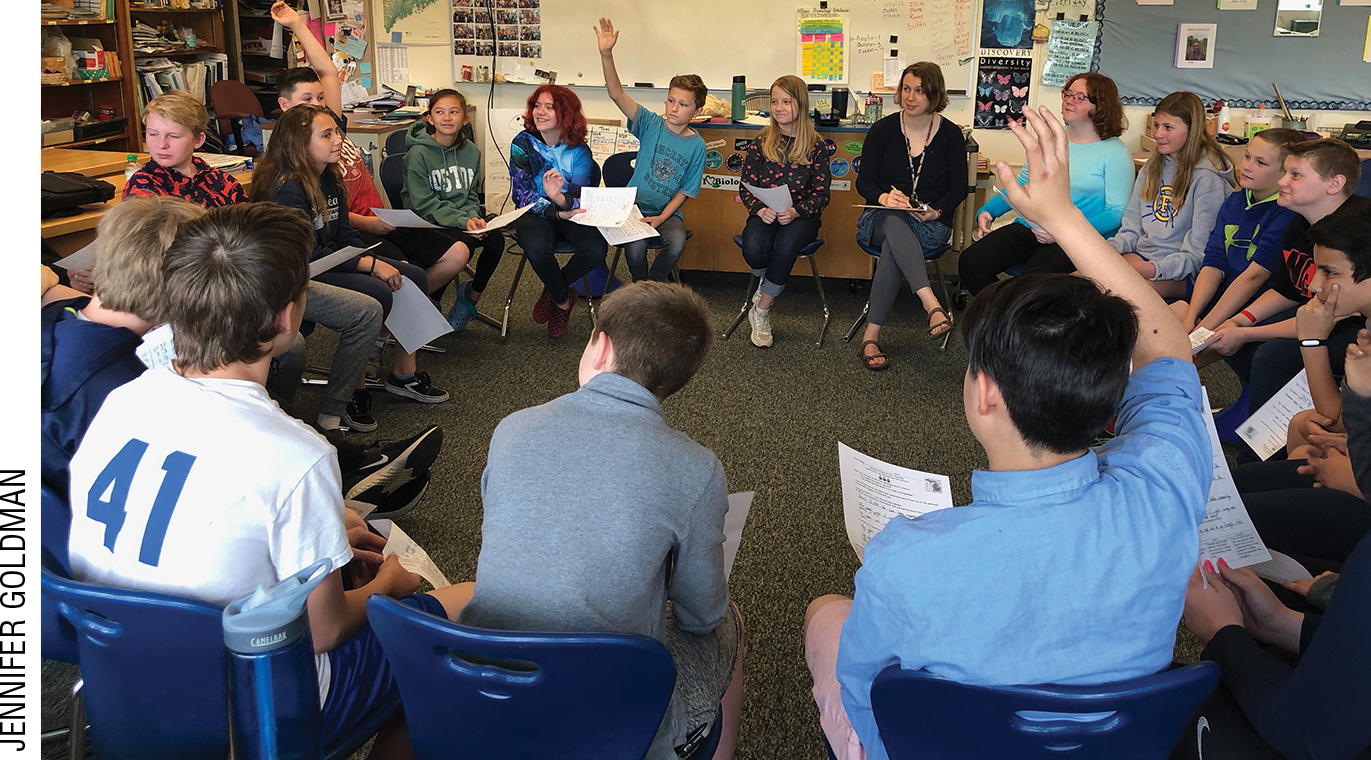
Photograph of a circle of students engaged in a lively philosophical discussion

This exercise attempts to give students the opportunity to formulate rules that they themselves would choose to be governed by. It explores the rules that they, as a community, would agree upon. And it tries to implement these rules in the classroom setting so as to test their viability in the crucible of real-world experience. One Rule Game