Grade Level: High School & Beyond

Convince your Teacher/Principal

teacher in classroom in front of students

Introduction What is an argument? An argument consists of a set of reasons that are given with the intention of persuading someone else that a particular action or idea is right or wrong, good or bad, desirable or undesirable, etc. It is a method of trying to convince another person (or persons) that your position Convince your Teacher/Principal
The Painter and Their Eyes Activity

Materials: A blackboard or whiteboard to draw on, blank pieces of paper for students to draw on, crayons or colored pencils if possible. Description: Frame this exercise by making the point that there are two key skills we want to develop when we do philosophy. These are, first, the ability to communicate clearly and second, The Painter and Their Eyes Activity

One Rule Game

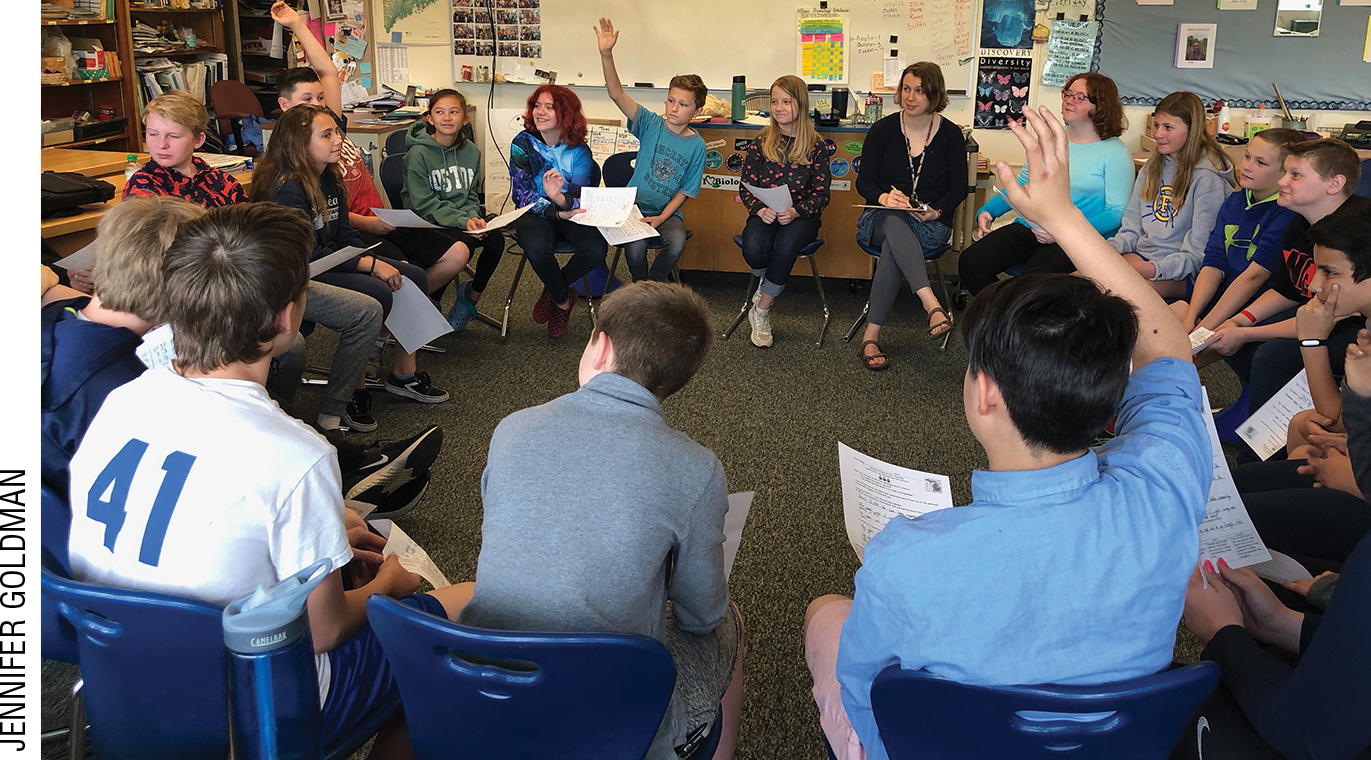
Photograph of a circle of students engaged in a lively philosophical discussion

This exercise attempts to give students the opportunity to formulate rules that they themselves would choose to be governed by. It explores the rules that they, as a community, would agree upon. And it tries to implement these rules in the classroom setting so as to test their viability in the crucible of real-world experience. One Rule Game

Moral Spectrum Exploration Exercise

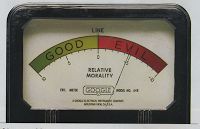
Photograph of a spectrum from good to evil to illustrate the idea of a "Moral Spectrum"

The Moral Spectrum Exercise In this exercise, students are introduced to “the moral spectrum”—seven different perspectives on the right thing to do, seven different questions to ask themselves to determine whether a particular course of action is right or wrong. These questions are drawn from the dominant moral theories in Western philosophy over the past Moral Spectrum Exploration Exercise

Different Perspectives Game

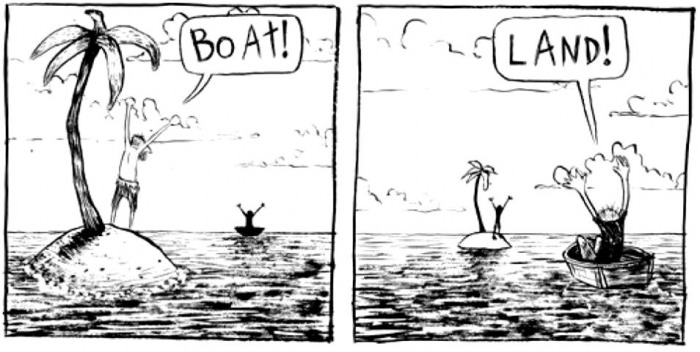
One of the important things that the study of philosophy teaches us is how to examine the world from a variety of different perspectives. When we read and study the writings of classic and contemporary philosophers, we are given new ways of looking at the world that broaden our own perspectives on reality. Consequently, it’s Different Perspectives Game

What is Art?

Have each student draw two pictures. One drawing must be a drawing they would call art, and the other one they would not call art. Ask the students who want to do so to share their drawings. Some questions you can consider include: What makes one art and the other not? Does the intention of What is Art?

Difference: A Philosophy Game

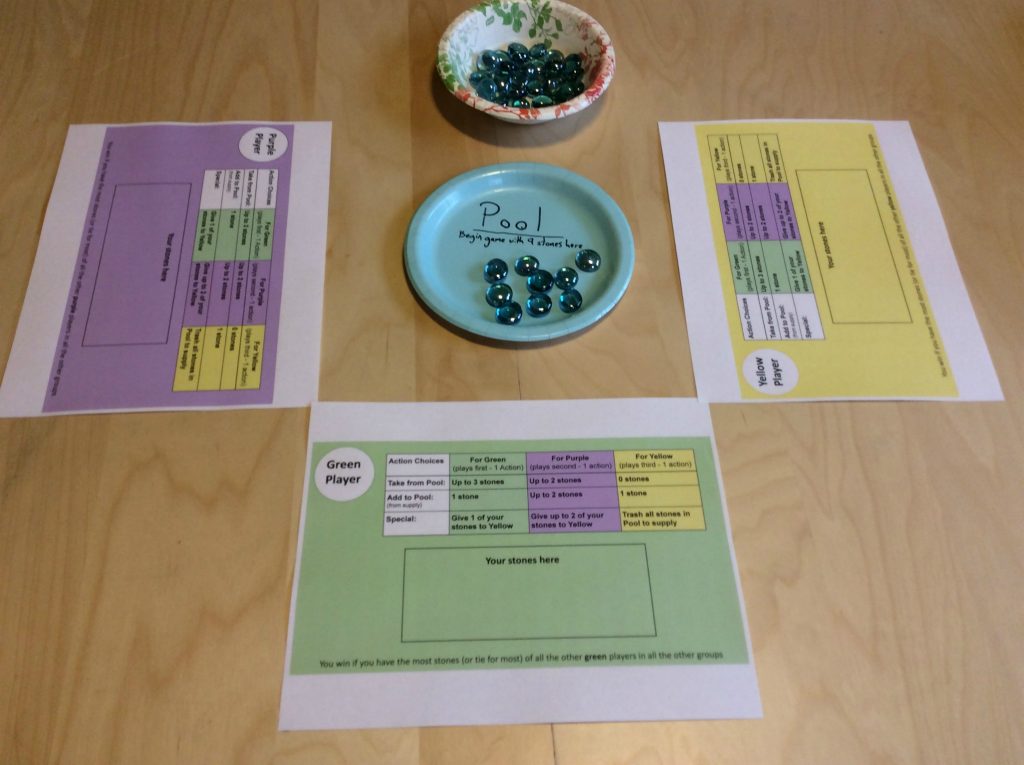
What is Difference? Difference is an easy-to-learn, fast-to-play, negotiation game that is designed to promote philosophical discussion about inequity both inside and outside of the game. Set-up Divide the class into groups of exactly 3 students each. Each group consists of a green, purple, and yellow player. Each group is given player cards at random Difference: A Philosophy Game