Wondering Aloud

Happiness at 10

On Friday I talked about happiness with the fourth grade students with whom I’ve been working at John Muir Elementary in Seattle. One of the things that’s always so interesting to me about discussing philosophy with children is that the conversations frequently parallel in many aspects the discussions I have with college students. They unfold Happiness at 10

Meaning in Education

Since our seminar session at UW last Thursday, I’ve been thinking about meaning in education. We spent the first part of the session talking about Plato’s Allegory of the Cave and enlightenment, the relationship between appearance and reality, knowledge, and human development, and then moved into examining the nature of thinking and thoughts. It was Meaning in Education

Plato with Fourth Graders

I taught my first couple of elementary school classes in the last week, both with fourth grade students in Seattle. It is always amazing to me the level of philosophical interest and understanding shown by children. Yesterday I had a discussion with about 30 fourth graders about Plato’s “Ring of Gyges.” In our conversation, the Plato with Fourth Graders

Philosophical Sensitivity

The first day of fall and it’s a beautiful clear day in northeast Washington State. I am returning to this blog after spending much of the summer working on the book I am writing for parents about ways to inspire philosophical conversations with one’s children. One of the ideas on which I’ve been spending a Philosophical Sensitivity

Why do we go to school?

In my last class of the school year with the 5th grade public school students with whom I’ve been doing philosophy this year, we held a “Philosophy Cafe” with juice, cookies and conversation. I’m going to miss this class. The students had requested last time that we spend some time discussing whether homework is a Why do we go to school?

When You Reach Me

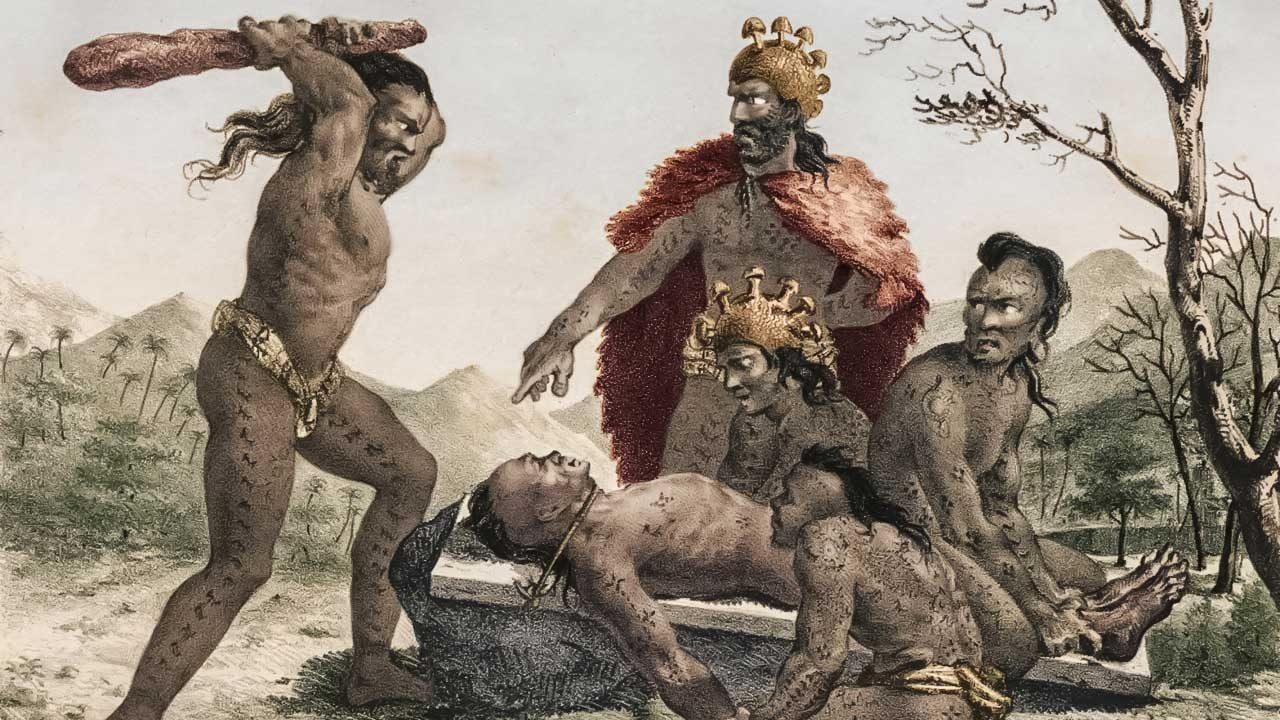
Old color illustration featuring a group of men dressed in loincloths. One man is laid out on a stone slab. Another man raises a club above his head as if to strike the man on the slab. Another man, dressed in royal clothes, points down at the man on the slab, as if to indicate where to strike.

When You Reach Me, a young adult novel that was a winner of the 2010 Newbery Medal, was written by Rebecca Stead. Set in New York City in the late 1970s, it’s an engrossing story about a young girl, her relationships with her friends, her single mother and her mother’s boyfriend, and a mystery.  Miranda is When You Reach Me

Frederick

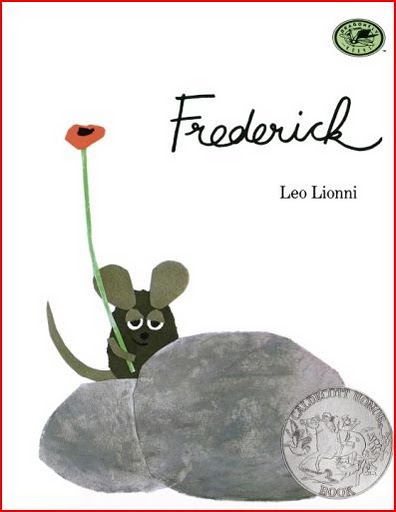
Leo Lionni wrote, who died in 1999, wrote and illustrated many classic children’s books.  I’ve used several of his books to inspire pre-college philosophy discussions. One that is particularly helpful for introducing questions of political and social philosophy is Frederick, the story of a family of five field mice who are gathering food for the winter.  Frederick

How much philosophy does a pre-college philosophy teacher need to know?

I’m working on a review article for the journal Teaching Philosophy, writing about five books that have been written in the past few years about pre-college philosophy. In the course of reading these books, it’s been interesting to me to observe the range of views about the level of training necessary for a competent pre-college How much philosophy does a pre-college philosophy teacher need to know?

What is a child?

I read an interesting article this week by Tamar Schapiro on “What Is a Child?” In a discussion about the possible justifications for what we generally believe are adults’ special obligations to children, for “treating someone like a child,” Schapiro (looking to Kant) suggests an understanding of the word ‘child’ as a status concept. The What is a child?

Northwest Center for Philosophy for Children Grant and Summer Workshop

Center for Philosophy for Children just received a three-year grant from the Squire Family Foundation! The grant funds a summer workshop for teachers that will take place this June, and also provides money for graduate student involvement in the program, materials and website support, and three years of transportation for UW students to get to and from Northwest Center for Philosophy for Children Grant and Summer Workshop