Philosophy

Death and Philosophy

If we did not die, if our existence did not unravel in the endless darkness of death, would life be quite so precious, so extraordinary, so moving? Andre Comte-Sponville,Professor of Philosophy at the Sorbonne Whenever I ask students what they think are the most fundamental questions of human life, always on the list is some Death and Philosophy

Is this really philosophy?

“. . . That slight uncertaintywhich makes us sure.” From Advice from the Museby Richard Wilbur The start of the school year and planning for the year’s philosophy classes. Usually I start my philosophy classes by asking students to offer some possible answers to the question, “What is philosophy?” (Of course there is no incontestable Is this really philosophy?

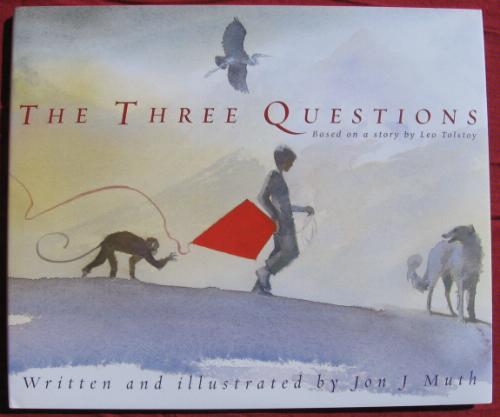
The Three Questions

“There once was a boy named Nikolai who sometimes felt uncertain about the right way to act. ‘I want to be a good person,’ he told his friends. ‘But I don’t always know the best way to do that.’” From The Three Questionsby Jon J. Muth Muth takes Leo Tolstoy’s short story, The Three Questions, The Three Questions

Moral Philosophy and the Holocaust

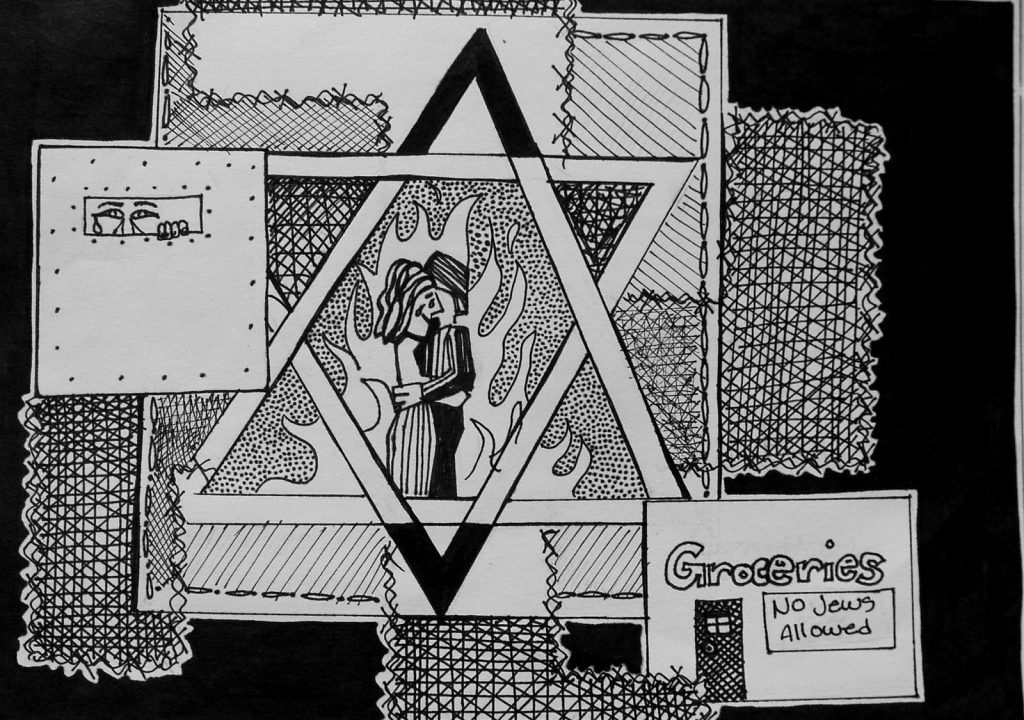
Pen and inkdrawingby Mollie Hunt8th grade student Winthrop, WA, 2008 I grew up in the shadow of the Holocaust, learning about the horror of it as an elementary school child, experiencing recurrent childhood nightmares about the Nazis. For years I stayed away from the subject, avoiding books and films that dealt with it. After the Moral Philosophy and the Holocaust

Being philosophically naïve

When I was a graduate student in philosophy, I sometimes thought that the initial wonder and enthusiasm that drew me to philosophy as a high school student was in danger of being eclipsed by the pressure I was feeling to show how philosophically sophisticated I was. I loved the rigor and depth of the work Being philosophically naïve

What are thoughts?

Among twenty snowy mountains,The only moving thingWas the eye of the blackbird.I was of three minds,Like a treeIn which there are three blackbirds. . . . From Thirteen Ways of Looking at a Blackbird by Wallace Stevens Over the past six years I have taught philosophy to the same general group of children, starting in What are thoughts?

Why are we here?

At the end of our philosophy sessions together this year, I asked the 5th grade students with whom I’d been working what questions they’d like to keep talking about. I loved their questions. Here are some of them: Why are we here? Why am I me? Why do we have philosophy? What is art? How Why are we here?

Can Children Do Philosophy?

“The orgin of philosophy is wonder.”Plato, Theaetetus When I tell people I spend a lot of my time in K-12 classrooms doing philosophy with young people, often I’m met with a somewhat skeptical response. How do you teach philosophy to children? What philosophy do you teach them? Is this religious? Are children really able to Can Children Do Philosophy?