philosophy for children

Yellow and Pink

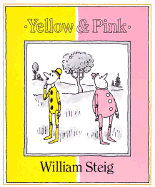
One of my favorite children’s books to use in philosophy classes (including with high school students) is William Steig’s Yellow and Pink. The story begins with two small wooden figures, one pink and one yellow, who are lying on old newspaper. The yellow one sits up and asks the pink one, “Do you happen to Yellow and Pink

Puzzles about Ethics

A couple of years ago I created a series of ethics puzzles to introduce various moral questions to two fourth grade classes. I adapted some of these scenarios from puzzles created by others and made up the rest. I found that formulating dilemmas that would be easily recognizable to ten-year-old students was an effective way Puzzles about Ethics

What is art? Blog Series Part V

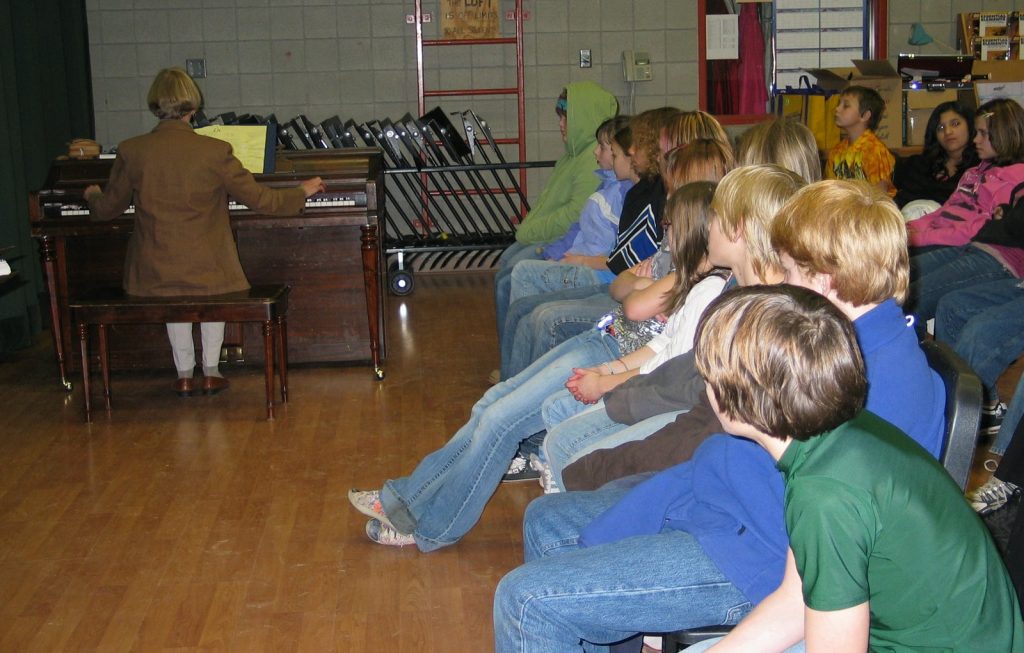
This will be the final post in this series. What is music?Is there some quality that anything considered music must have?Can any sound count as music?Does all music express emotion?Is the emotion that music expresses in the music itself? In the composer? In us, the listeners?What makes music pleasurable to listen to?Why do we listen What is art? Blog Series Part V

What is art? Blog Series Part IV

In the two sixth grade classrooms in which I’ve been teaching this aesthetics unit, the students and I spent a lot of time this week talking about the relationship between having feelings and expressing feelings. We read another portion of chapter 14 in Mat Lipman’s Harry Stottlemeir’s Discovery, in which two girls have a conversation What is art? Blog Series Part IV

What is art? Blog Series Part II

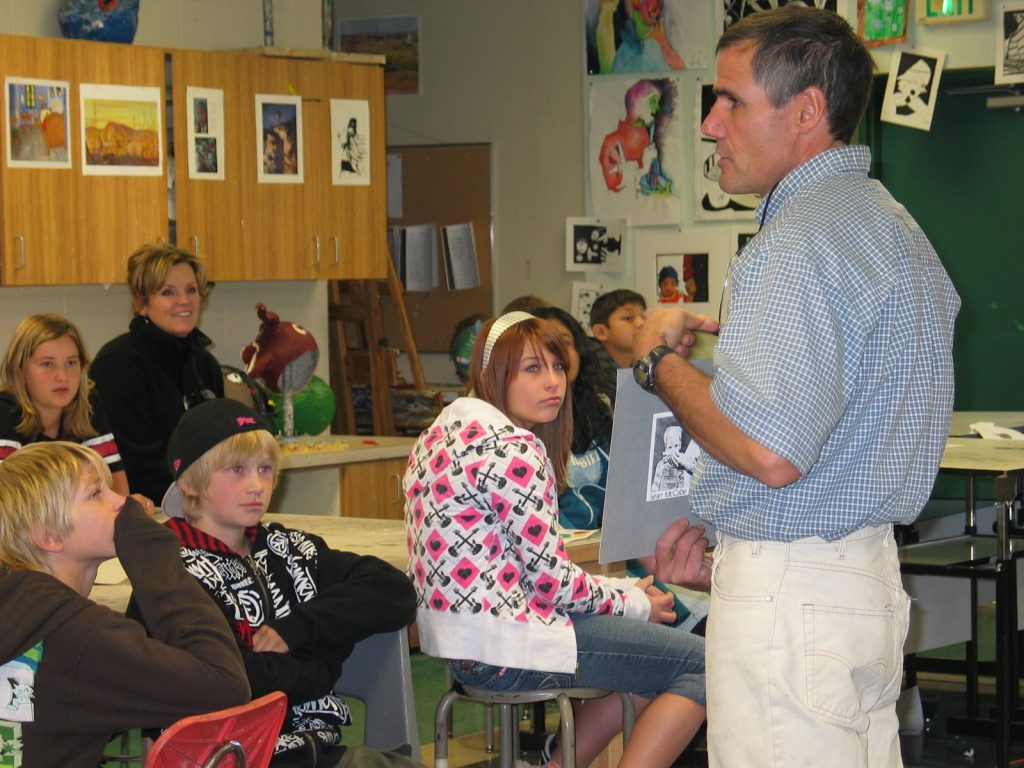
I decided that the second class of the philosophy of art series should involve actually looking at visual art and talking about it. I thought about taking the students to a local art gallery, and then decided that it would be fun for them instead to visit our local junior/senior high school (where they will What is art? Blog Series Part II

What is art? Blog Series Part I

I’m going to write a series of posts about the philosophy of art unit I’m doing with sixth grade students this fall. Yesterday was the first session of the unit. We started by listing some of the things the students said they would consider art, which included paintings, sculpture, music, and poetry and also rocks, What is art? Blog Series Part I

The One Who Walk Away from Omelas

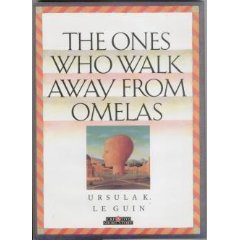
The Ursula LeGuin short story The Ones Who Walk Away from Omelas is a powerful story for discussing with high school students utilitarian ethics and the question of whether the suffering of one person is permissible if it brings about the greater good. The story is set in a joyful and seemingly perfect city, where The One Who Walk Away from Omelas

Death and Philosophy

If we did not die, if our existence did not unravel in the endless darkness of death, would life be quite so precious, so extraordinary, so moving? Andre Comte-Sponville,Professor of Philosophy at the Sorbonne Whenever I ask students what they think are the most fundamental questions of human life, always on the list is some Death and Philosophy

Is this really philosophy?

“. . . That slight uncertaintywhich makes us sure.” From Advice from the Museby Richard Wilbur The start of the school year and planning for the year’s philosophy classes. Usually I start my philosophy classes by asking students to offer some possible answers to the question, “What is philosophy?” (Of course there is no incontestable Is this really philosophy?