philosophy for children

Developing a philosophical self
As part of the book I’m working on, I’ve been thinking a lot about the development of our philosophical selves. In my experience, most children begin to exhibit a “philosophical self” around age 5, when all of the questions that demonstrate “wonder at the world” often start to emerge. This curiosity about and exploration of Developing a philosophical self

Time, nothingness and imagination

Another marvelous conversation last week with the 5th grade students with whom I’ve been working all year. At the beginning of the school year, one of the questions in which the students were interested was, “What is time?” We began this session with that question. One student suggested that time is the way “we measure Time, nothingness and imagination

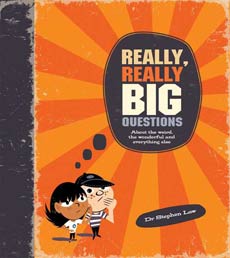
Really, Really BIG Questions

The picture book Really, Really BIG Questions by British philosophy professor Stephen Law is an engaging introduction to philosophy for anyone from elementary school age through middle school. With drawings and information about science, history, literature and the history of philosophy, the book explores questions such as: How can something come from nothing? What is Really, Really BIG Questions

The Ethics of Stealing

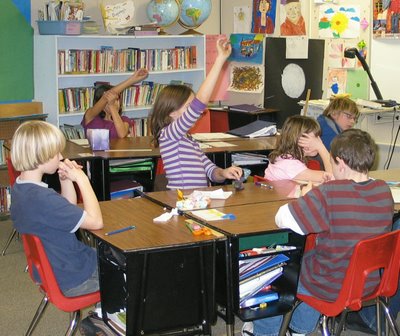
Recently I have been starting my philosophy sessions in the 5th grade with the students raising questions they want to discuss that have come up since I’ve last visited. This afternoon, the students mentioned that they wanted to discuss an event that had happened in the classroom. One boy’s iPod touch was stolen this week The Ethics of Stealing

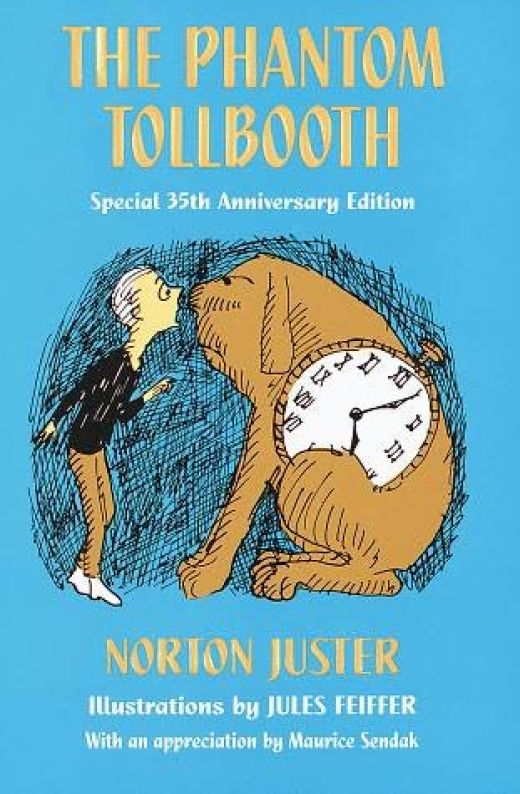
The Phantom Tollbooth

I recently reread The Phantom Tollbooth by Norton Juster, one of my favorite books in elementary school. Published in 1961, with marvelous line drawings by Jules Feiffer, the book tells the story of Milo, a bored young boy who sees thinks that everything is a waste of time. He is given a gift of a The Phantom Tollbooth

What is normal?

When I was in a fifth grade classroom last week, the students told me that they had been puzzling a little together about the meaning of “normal,” and wanted to ask me about it. What is normal? The dictionary says being normal is being “an average person,” the students told me. “But no one is What is normal?

Happiness

I had an interesting discussion today about happiness with the fifth grade students with whom I’ve been doing philosophy this year. We started with an exercise I adapted from David White’s book Philosophy for Kids. I gave the students a list of 8 activities — having fun with a friend, reading a book, sitting in Happiness

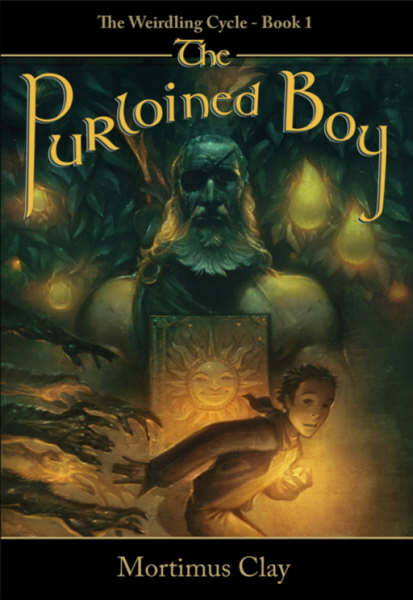
Philosophy and The Purloined Boy

I recently had a conversation with Christopher Wiley, whose num de plume is Mortimus Clay, the author of the young adult fantasy novel The Purloined Boy. The novel was a finalist in the Young Adult Fiction category of the National Best Books 2009 Awards from USA Book News. The plot of the book utlizes themes Philosophy and The Purloined Boy

Philosophy Cafe

On Tuesday afternoon we had a “philosophy cafe” in the 5th grade. I brought cider and cookies, and told the students that in parts of the world adults went to cafes and had something to eat and drink and talked about philosophy. It created a really different kind of environment for our conversation, very relaxed Philosophy Cafe